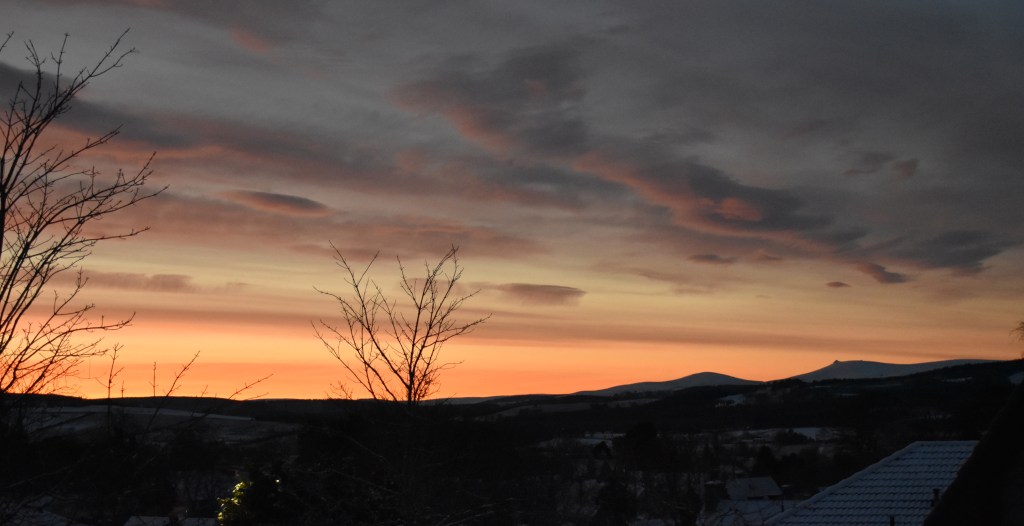
Mid-February and dawn in Torphins is about seven o’clock. Outside the morning display of jackjaws and rooks is beginning. Hundreds and hundreds – thousands of birds that have been roosting in the tall trees nearby are wheeling around above the village and swooping, sometimes over my garden, chattering and cawing. Later I will see the rooks in the fields helping the farmer by feeding on leather jackets and other grubs. When I studied Zoology at Aberdeen in the 1960s the Regius Professor of Zoology, Vero Copner Wynne-Edwards, was writing a book about animal dispersion.* His theory was that animals displayed on mass to estimate their numbers so that they could regulate their populations. Group selection was the mechanism by which this could happen. His theory has not been ratified, but the issue of group selection has not gone away. When I recently discovered that Wynne-Edwards lived in Torphins I imagined that he had stood and marvelled at the corvid displays just as I do sixty years later. There was much more abundance about in the 1960s; I need to treasure this amazing dawn (and dusk) event in case it should disappear.
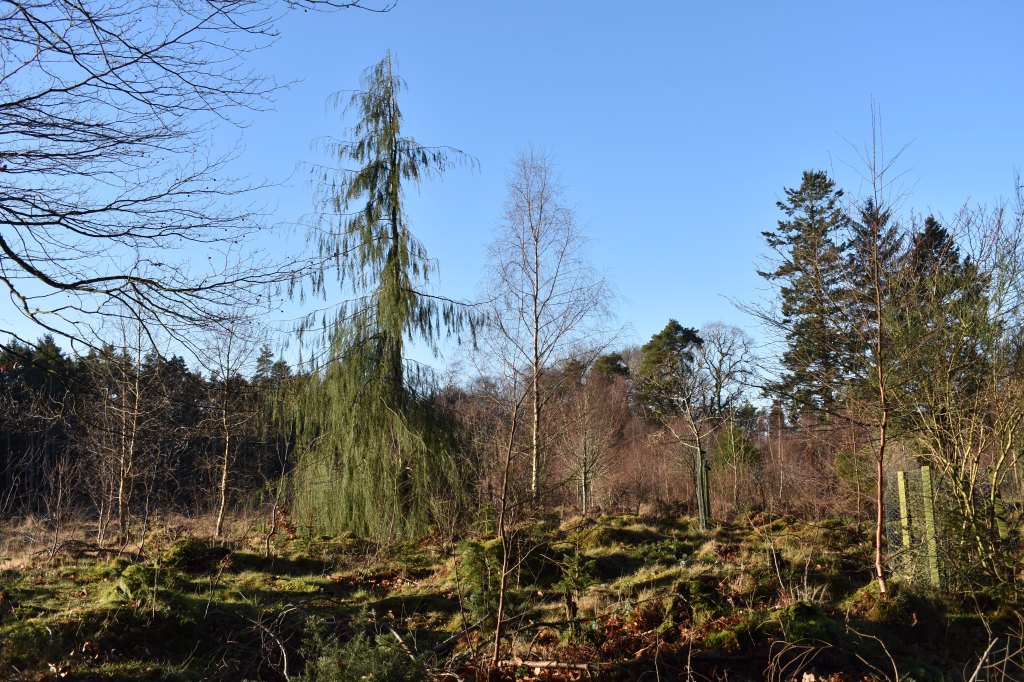
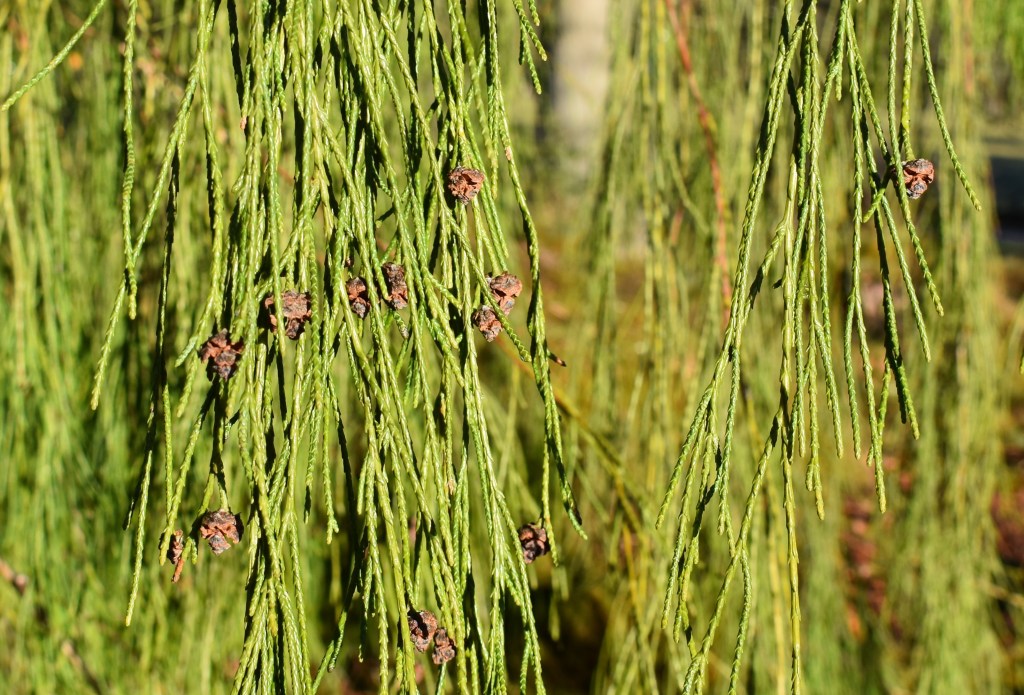
Walking up the East Drive to Crathes on a bright day in January I wondered which plant would send me off on a journey of discovery. My wondering was soon answered by a young conifer lit up by the sun. The label informed me of its name and the date of planting – Chamaecyparis lawsoniana ‘Imbricata Pendula’ 2008. Lawson’s cypress is a native of Oregon and California that has only been known in Britain since 1854 – a mere hundred and seventy years ago. In 1859 the seeds of Lawson’s cypress were sent to Crathes by Robert Burnett (later 11th Baronet) who was sheep ranching near Los Angeles at the time. The seeds germinated well and there are still trees today that probably date from that time. Lawson’s cypress is now one of the commonest trees to be found in ornamental settings in Britain, around stately homes, in urban parks and in modern housing developments. There is a high chance that your neighbourhood has a hedge of Lawson’s and some of the many dwarf cultivars that have been raised and can be obtained from garden centres.
It’s just over two years since I posted ‘American giants and British oaks’ (16 January 2022) and I don’t want to repeat myself. However, the oak tree I reported on then which already looked dead but survived all the winter storms, now seems to have finally run its course. The tree plate is lifting and the tree will have to be felled. Crathes is a highly managed estate and dead wood needs to be removed from the castle area, but a fallen tree is not necessarily at the end of its life. Part of this one may go to Drum for use in the new playpark; other pieces will be used as required or left to rot somewhere on the estate. The wood that lasts will keep on sequestering carbon and the wood that rots will provide habitat for fungi, beetles and other organisms.
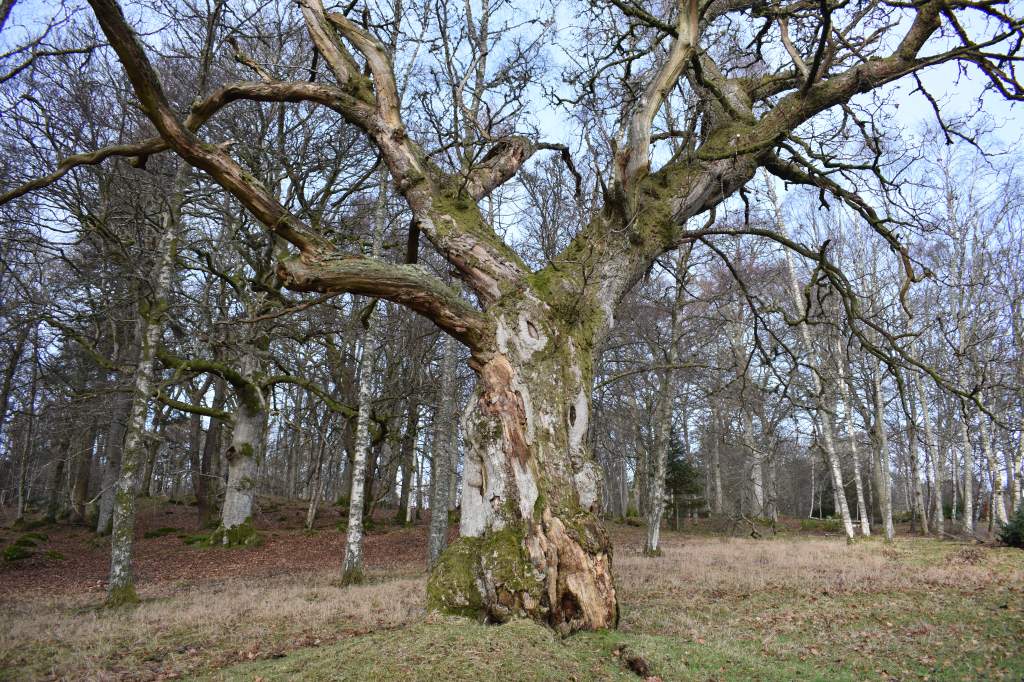
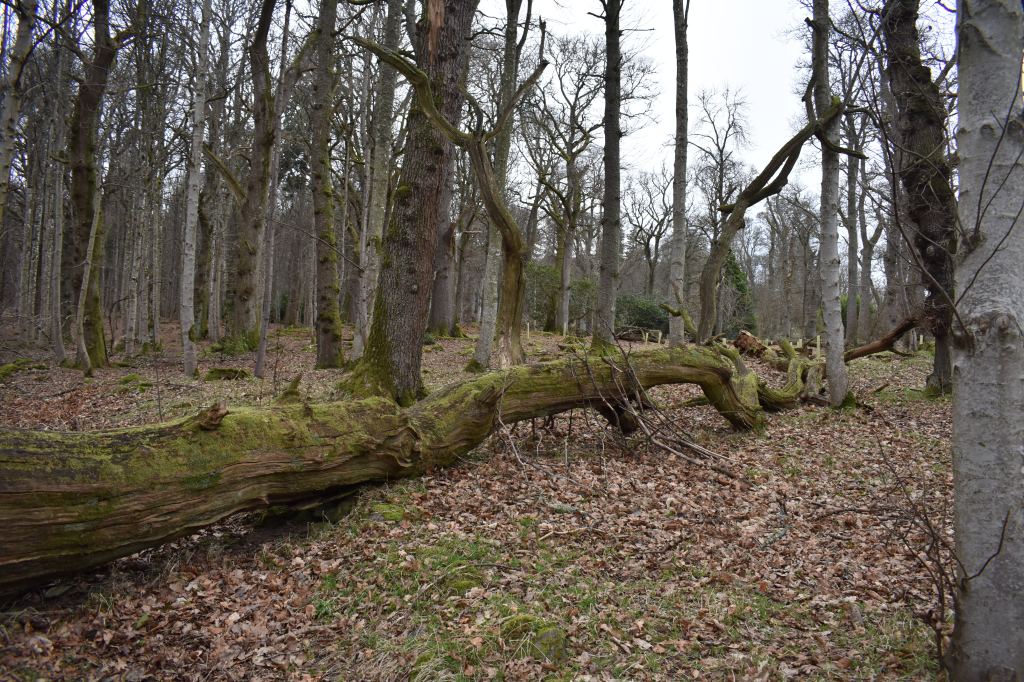
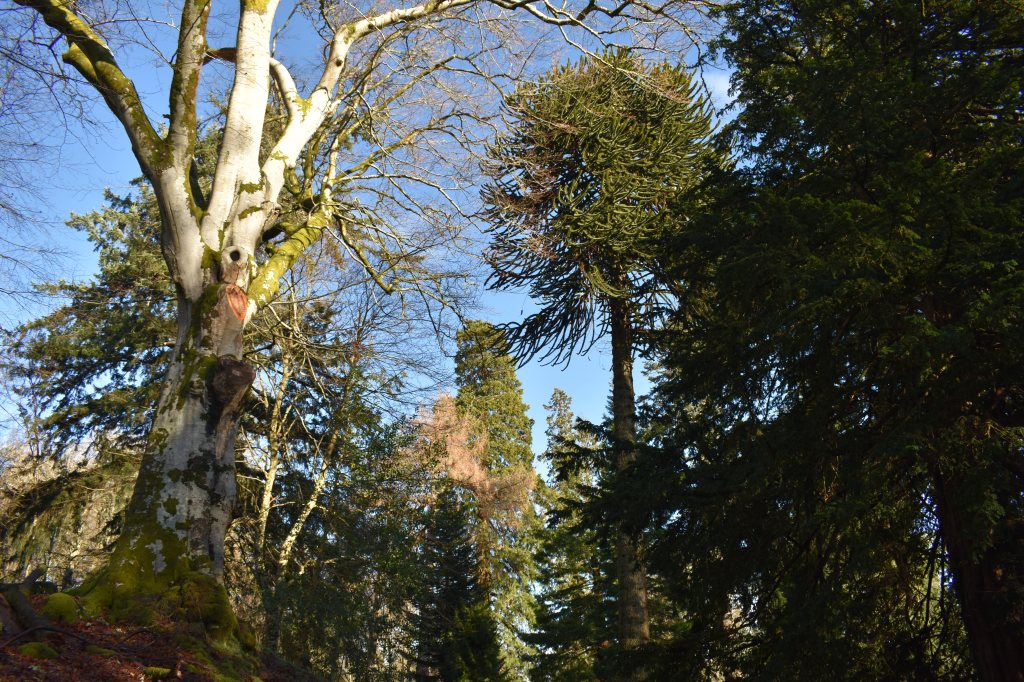
These ancient trees needing attention are thus very much in James’s sight, but he also needs to think about the young trees that he is planting and how they will grow in the next two or three hundred years.
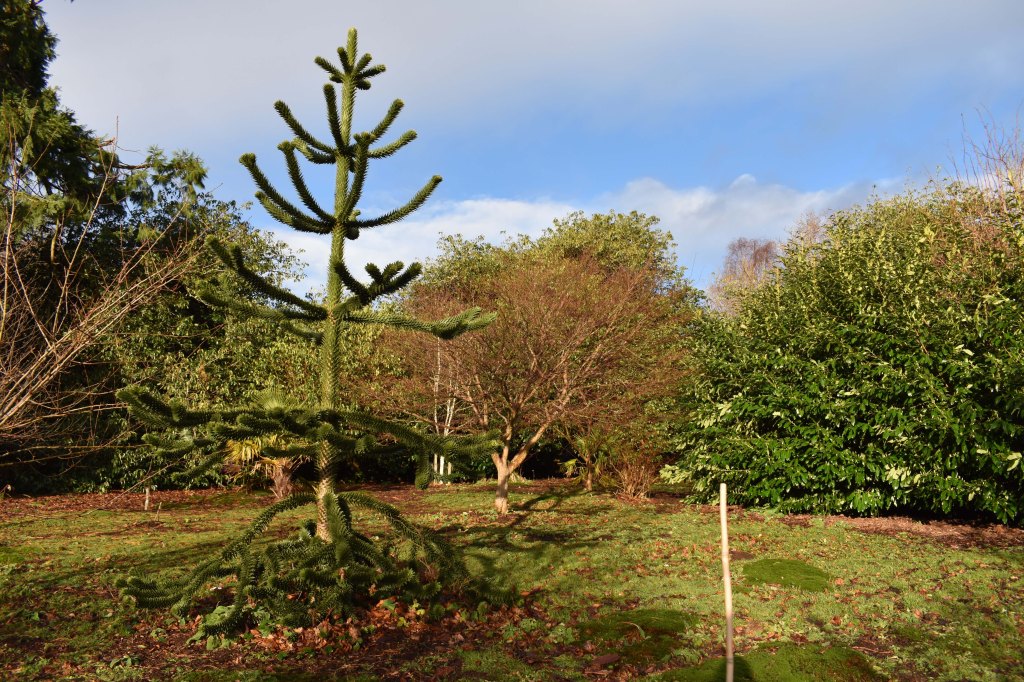
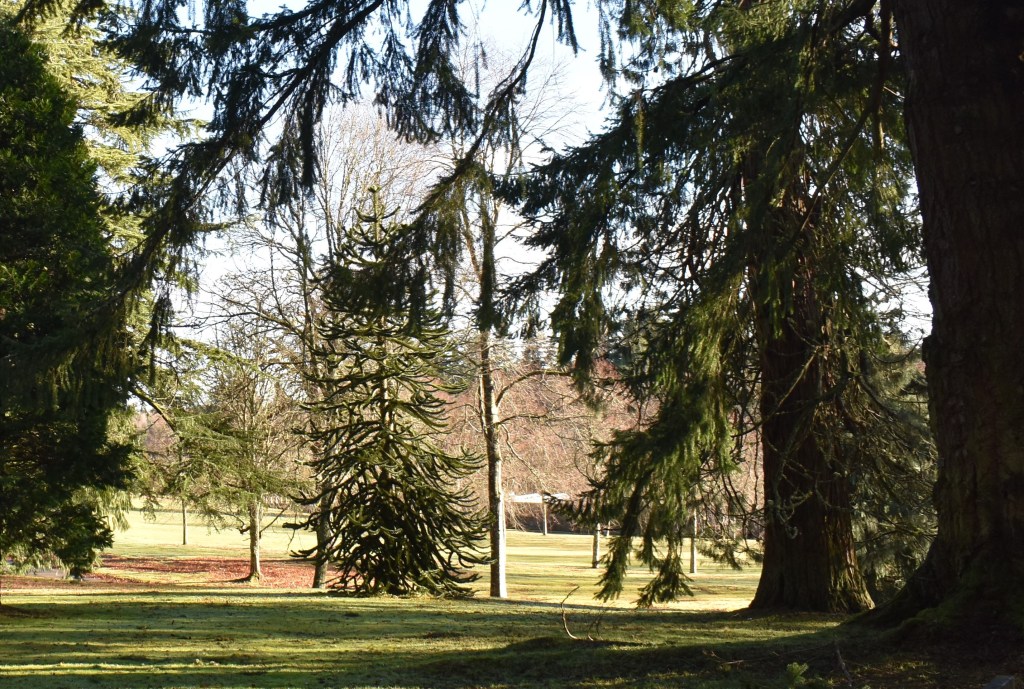
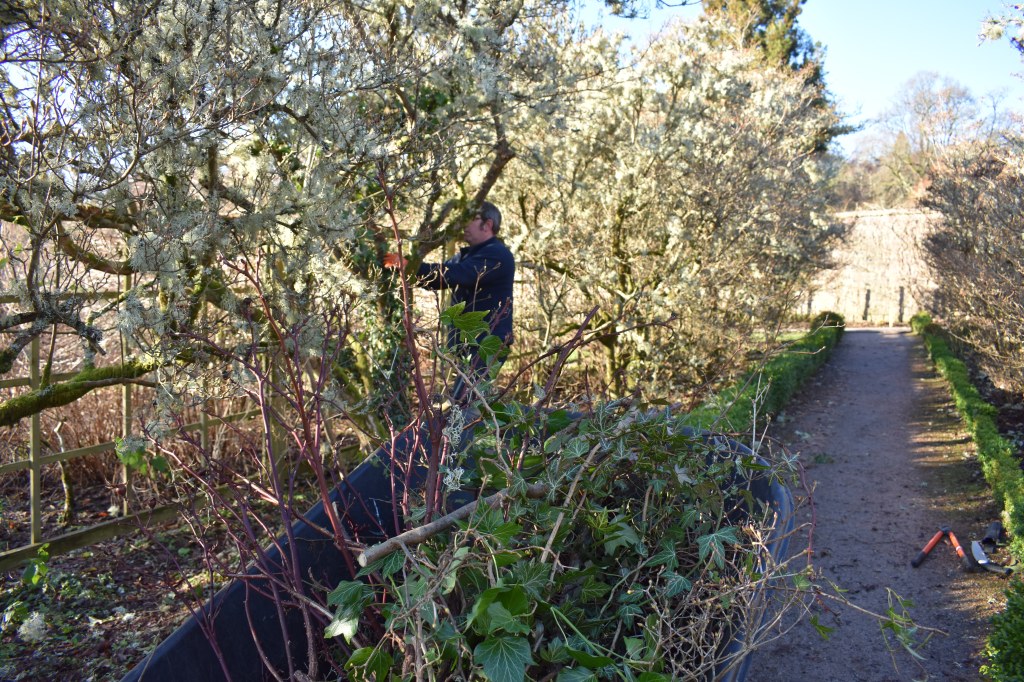
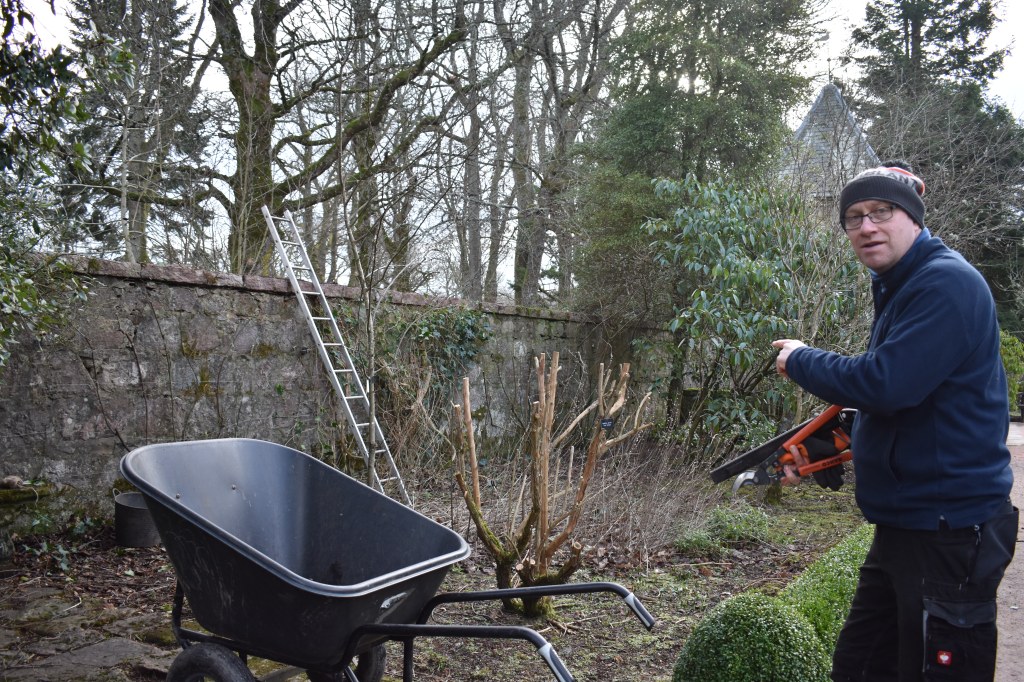
Besides this long-term strategy there is the day-to-day work in the garden. Just now the pruning is almost completed for this year, and the gardeners and volunteers have been busy spreading compost on the white border. This is best finished before the herbaceous plants begin their yearly growth.
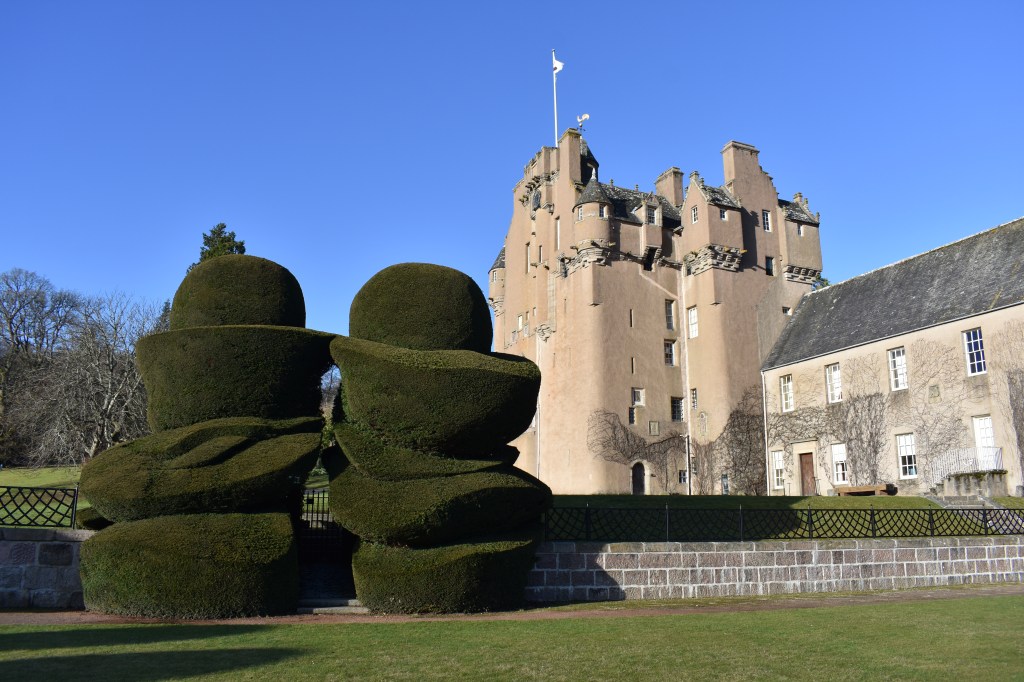
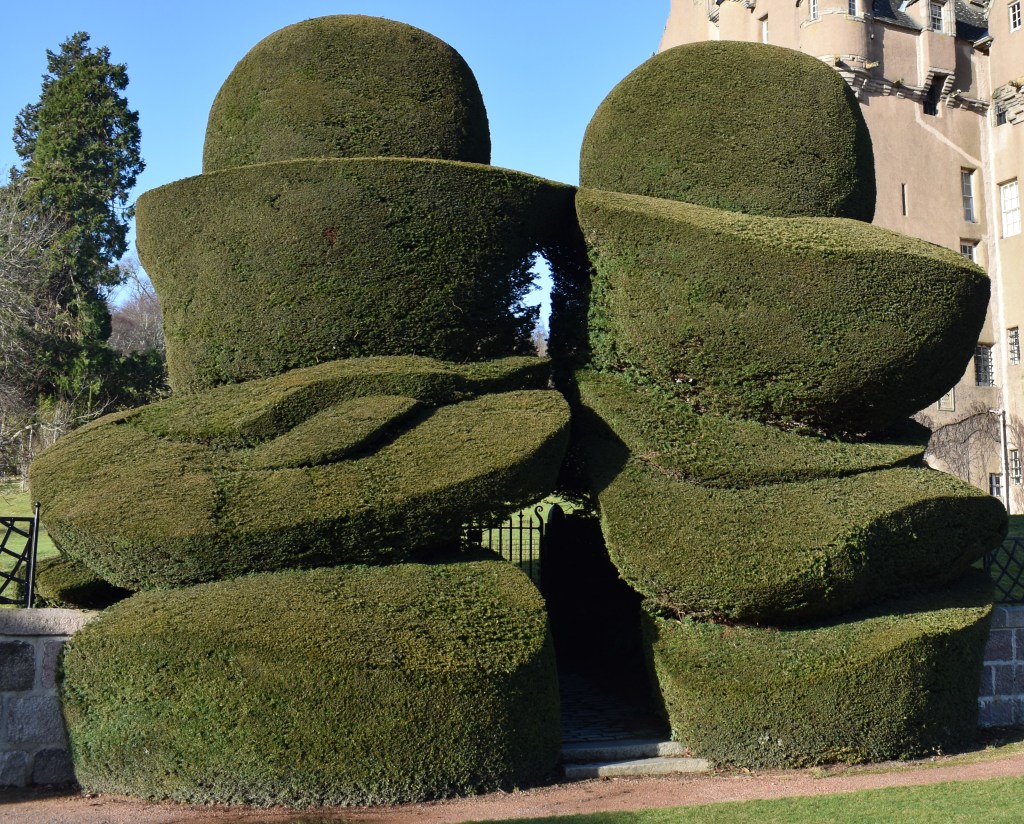
Thinking about the passage of time and the changing landscape around the castle as the American conifers matured I am struck by the linear timeline evident throughout the garden and the information it brings to our understanding of the history of Crathes. The oldest trees in the walled garden are the two topiary yews. These are dated to around 1702 (the family understanding backed up by dendrochronology) and they tell us something about the layout of the garden in relation to the castle, for, surely, they indicate the entrance to the garden – they were still in use as such in the 1980s. The terrace and steps that now include the Croquet Lawn and Upper Pool Garden are clearly shown on the 1838 estate map. The Croquet Lawn may have, in medieval times, been used for playing bowls; the Upper Pool Garden design dates from 1930s when Sybil Crozier Smith (wife of James 13th baronet) was active. The intricate design of the Fountain Garden is early to mid-Victorian. For brand new design we have only to walk through the Rose Garden.
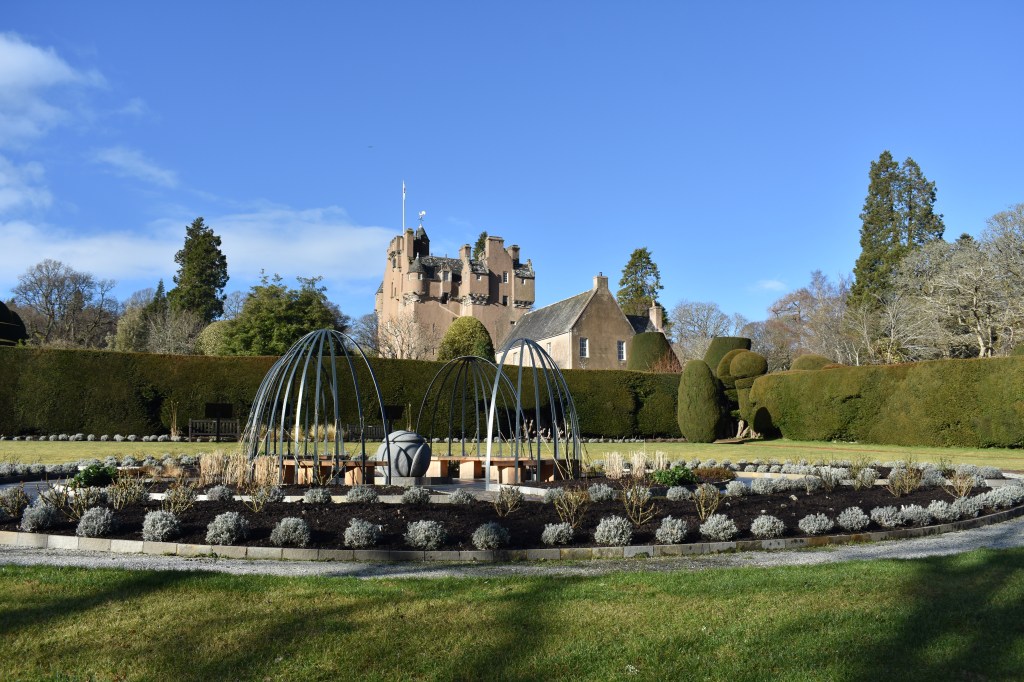
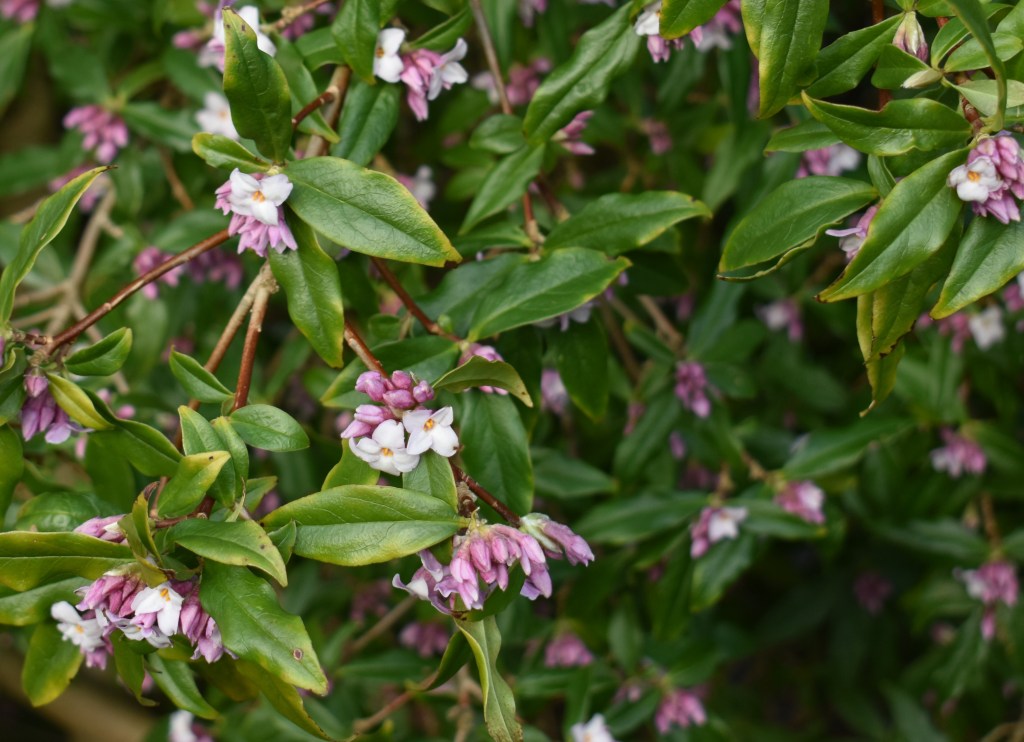
I have been reading a book about ancient trees** that categorises time in four ways: Big time relates to the age of the universe which is beyond my comprehension although I am greatly moved by the wonder of the Milky Way; Deep time is geological which is more readily understood although a stretch of the imagination is needed to grasp that the crags by Rockheads are remnants of 400 million year old granite formed from the earth’s magma; Long Time reaches back to the end of the recent ice age and forward to include our future (consider the oak trees that were felled to support the neolithic hall in the Warren field; consider the changes to garden practice that will inevitably come with the changing climate); Short time is encapsulated in, for example, the yearly pruning and spreading of the compost and the fashion for succulents. Dwelling in the short term I enjoy the scents of the Daphne bholua ‘Jacqueline postill’ up by the viewpoint, the bodnantense viburnums in the walled garden and the Sarcococca hookeriana along the yew walks. Bullfinches are feeding on Philadelphia seeds in the Woodland Garden.
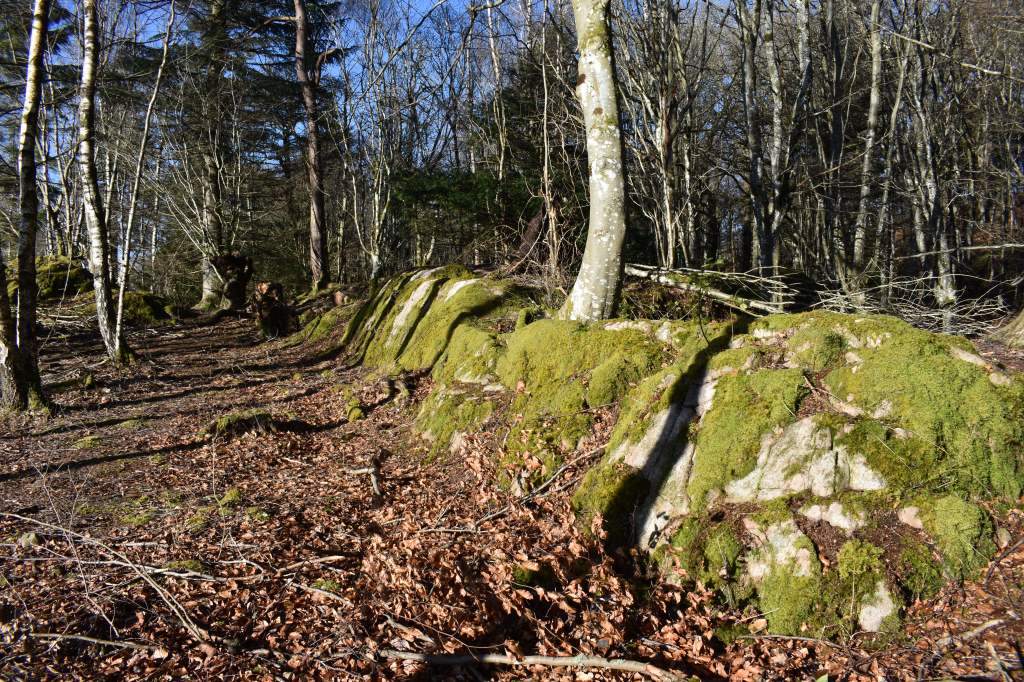
Not that these categories help with the mystery of it all.
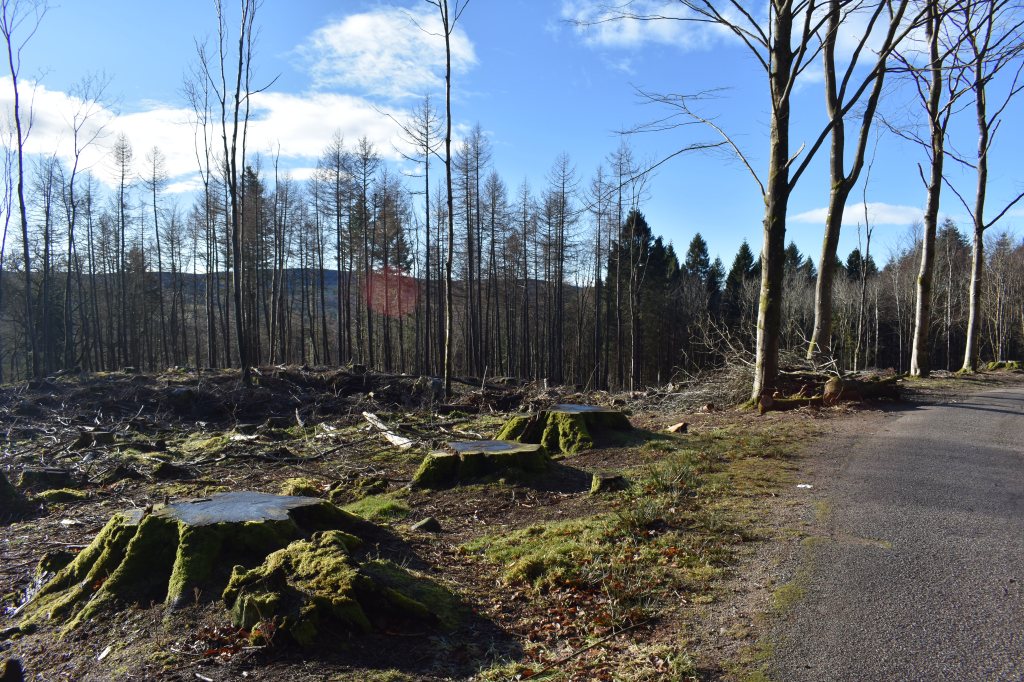
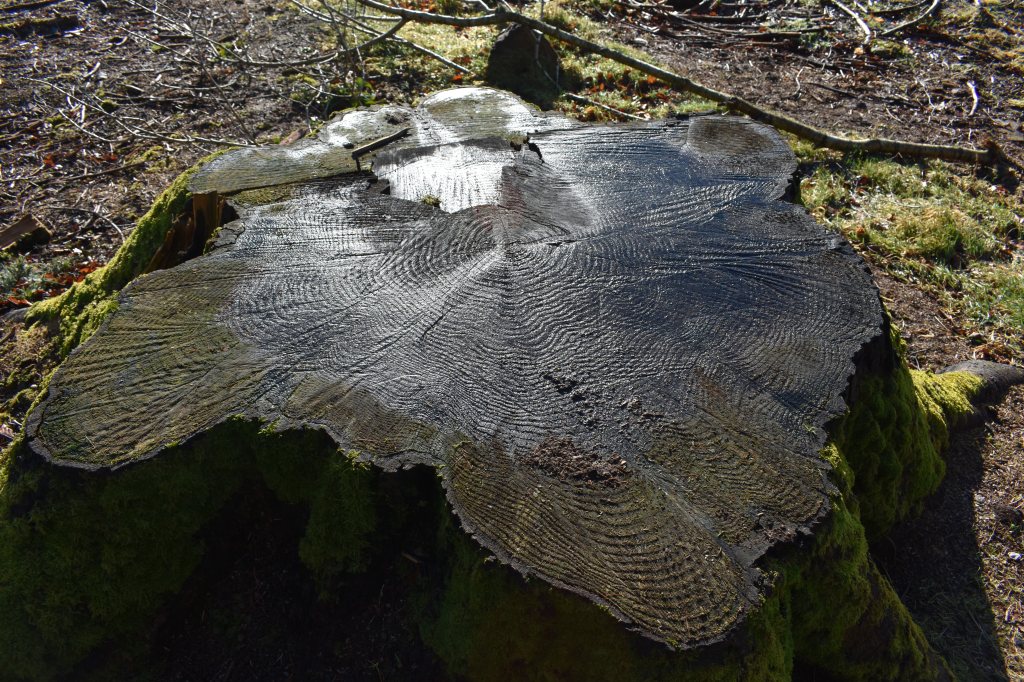
I wander along the West Drive where the after effects of Storm Arwen are readily seen. The felling done to clear the worst of the damage in this area has opened up the view to the south. The large trees felled beside the drive were probably grand firs, Abies grandis. Grand firs grow very quickly and their annual rings are large and easy to count. These trees seem to have been about 60 years old.
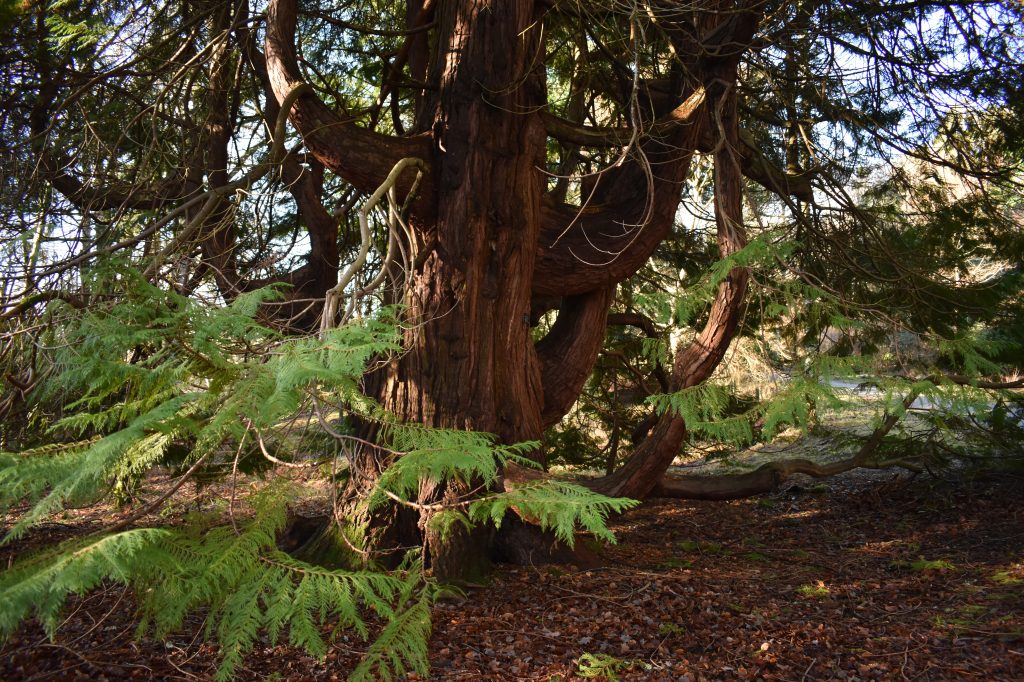
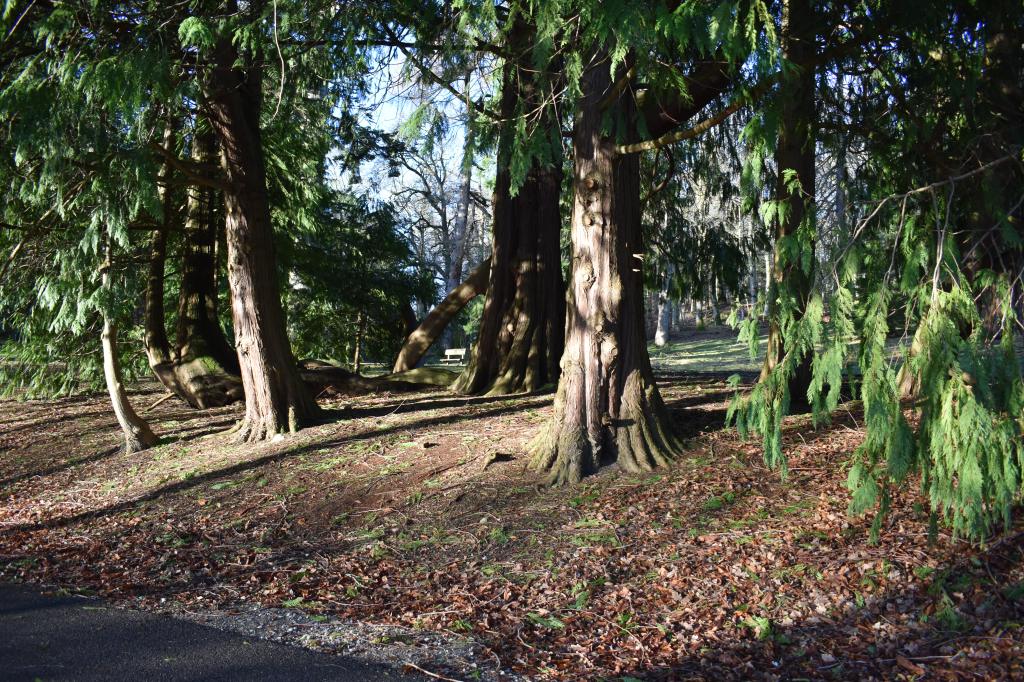
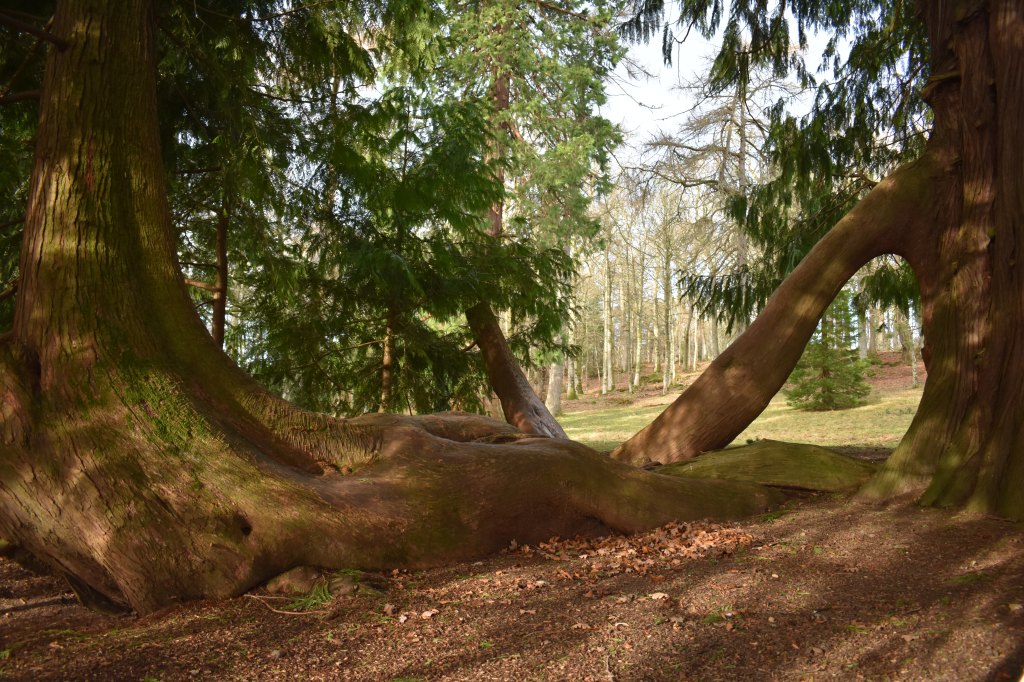
I can never resist taking yet another photograph of the Western red cedar on the edge of the conifer grove. Although a small grove, it is just the one tree. I sit for a while on the large trunk that has layered in the middle of the tree – its just the right height for a seat and it is good to soak in the peaceful atmosphere.
Reading about the history of ancient trees is rather dispiriting. There seems to be a need in humans to destroy any abundance of nature, whether it be the Caledonian Forest, the buffalo of the American West, the rain forests of the Amazon or the temperate Redwood forests of California. Human greed has destroyed forests across the world for financial gain. It is not just the trees that disappear, but habitats for wonderful species like the orangutang, and other less known, or unknown, species that are sacrificed to illegal (and sometime legal) deforestation. Academic competitiveness can be shameful, as when some of the oldest trees in the world were cut down to satisfy ‘science’ – the story of a bristlecone pine of Nevada which may be nearly 5000 years old but was felled in the interests of research.
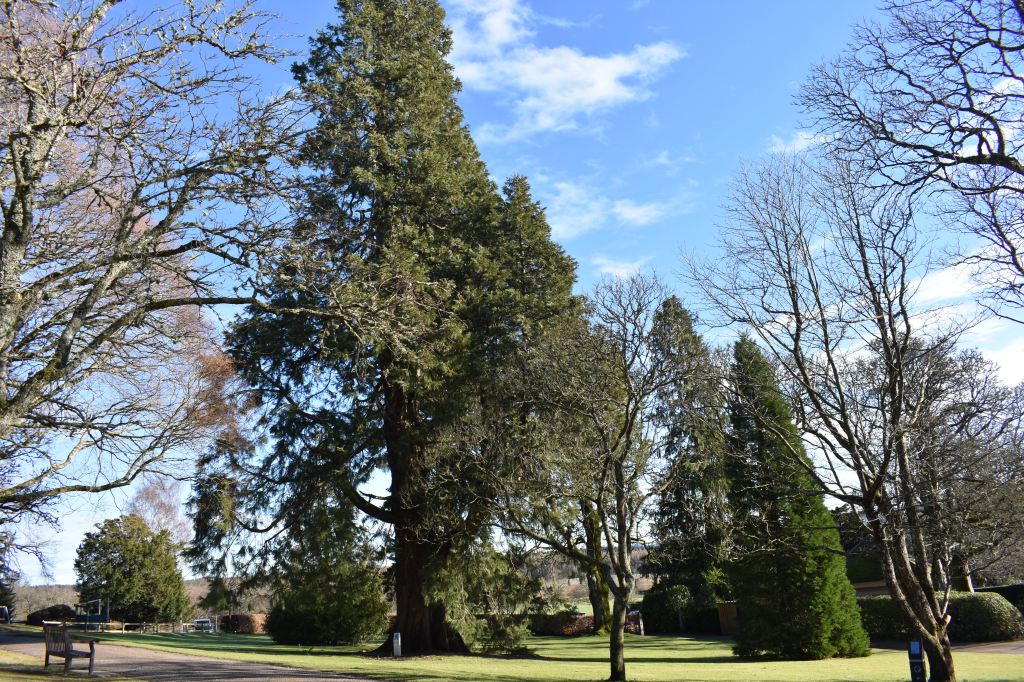
The story of the development of the science of dendrochronology is largely tied up with the story of the Californian redwoods. The giant sequoia, Sequoiadendron giganteum, first known to the scientific world in the 1850s, was introduced to Britain in 1853. Crathes has trees that were planted during that decade. The trees are native to the western side of the Californian Sierra Nevada. The indigenous peoples, who had cared for the woods for thousands of years, lost their land and the trees were exploited mercilessly for timber, as tourist attractions, for museums, and for the developing science of dendrochronology. Sometimes just known as the ‘Big Tree’ the giant sequoia has no equal in mass and, though probably not so old as the bristlecone pines, numbers its years in the thousands. As the science of dendrochronology developed it was realised that tree rings gave not only the age of the tree but could also tell of previous climate patterns – showing wider rings in wet weather years and narrow rings sometimes with fire scorches in bad drought years. Patterns from different tree cores could be matched up. The year of 1580 stands out as a ‘megadrought’ year when annual rings were absent and the trees shut down but survived. Exploitation of forests across the world has not stopped, but in many places there is a realisation of the desperate need for conservation.
Across Scotland attempts are being made to bring back the Caledonian Forest and with it many of the species that are under threat from loss of habitat. Whilst not part of the Old Caledonian Forest, Crathes provides a habitat where the red squirrel thrives, Otters visit occasionally, and the pine marten and red kites are making a comeback. Rabbits (not native) may not be so welcome in the garden, but their abundance is good for buzzards and other predators.
The only wild wildcat that I have seen was up near Loch Brandy above Glen Clova – only about 25 miles from Crathes as the crow flies. But that was 1969 or 1970 and since then the wildcats have declined in number and are now officially ‘critically endangered’. For some time the Highland Wildlife Park by Kingussie, under the care of the Royal Zoological Society of Scotland (RZSS), has been leading a project to conserve this iconic species. Last year the RZSS began a programme of release of the wildcats that had been reared in captivity. Although you can see wildcats at the park, the wildcats bred for release are not on show to the public because the cats need to be wary of humans. The Saving Wildcats webpage tells us that since June 2023 nineteen have so far been released in Badenoch and Strathspey and eighteen are still alive. GPS tracking collars enable the team to follow the fortunes of the cats. Although seventeen stayed fairly near their release site a male wildcat, released in September, has led the team a merry dance as it roamed over the Cairngorm plateau and Ben Macdui (Scotland’s second highest mountain). When the team finally tracked him down, with help from Mar Lodge folk, they were able to download the information of his movements from the collar. The data was incredible, revealing the fine details of his long-distance ‘stravaig’ during which he had scaled sheer cliffs, endured barren and windswept conditions, crossed several Munros, and covered a distance of over 30km in three days.’ It is unlikely that he will find a mate on Deeside, but when more wildcats are released, as is planned, continuing dispersal seems a definite possibility. Whether Crathes has enough habitat to encourage a breeding population of wildcats is doubtful, given all the people and dogs that use the trails. The estate could, however, certainly be visited by cats crossing from maybe the Mounth hills in the south to the Hill of Fare in the north. Wildcats are not mentioned in the Crathes gamebooks, but they would have been classed as ‘vermin’ and not recorded individually. Because hybridisation with the domestic cat has been a major threat to the species there has been a programme of neutering domestic and feral cats. About twenty cats are expected to be released during 2024 and 2025 and I await with interest to hear the outcomes of this developing story.
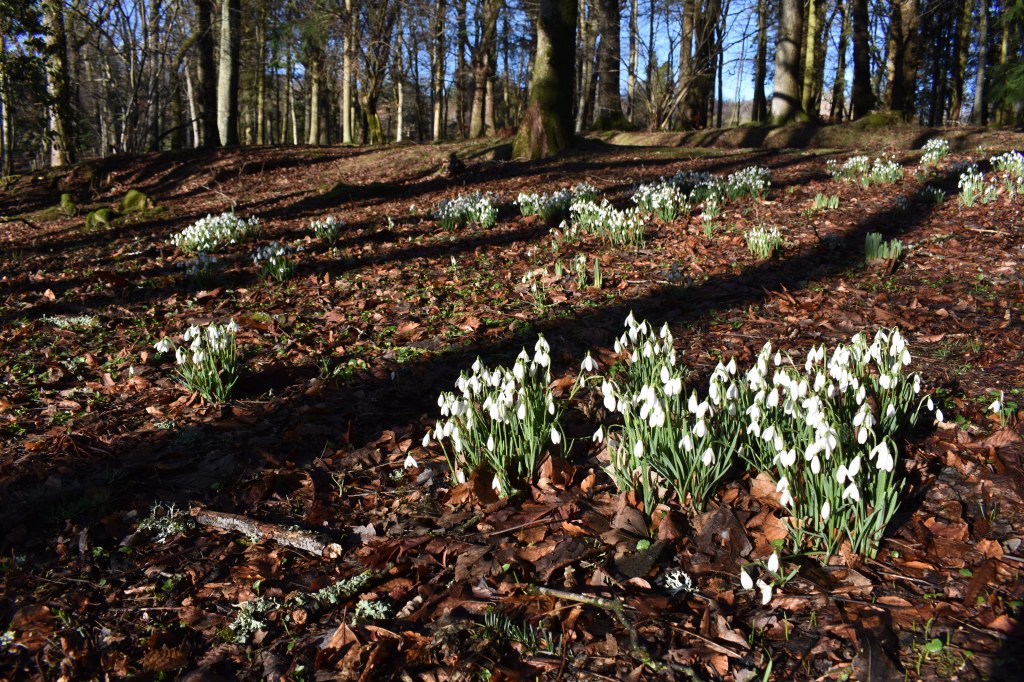
Time slipping by is one of the mysteries of life; past, present, future, and always indefinable. Right now the snowdrops are making a show and spring can’t come soon enough.
Updates:
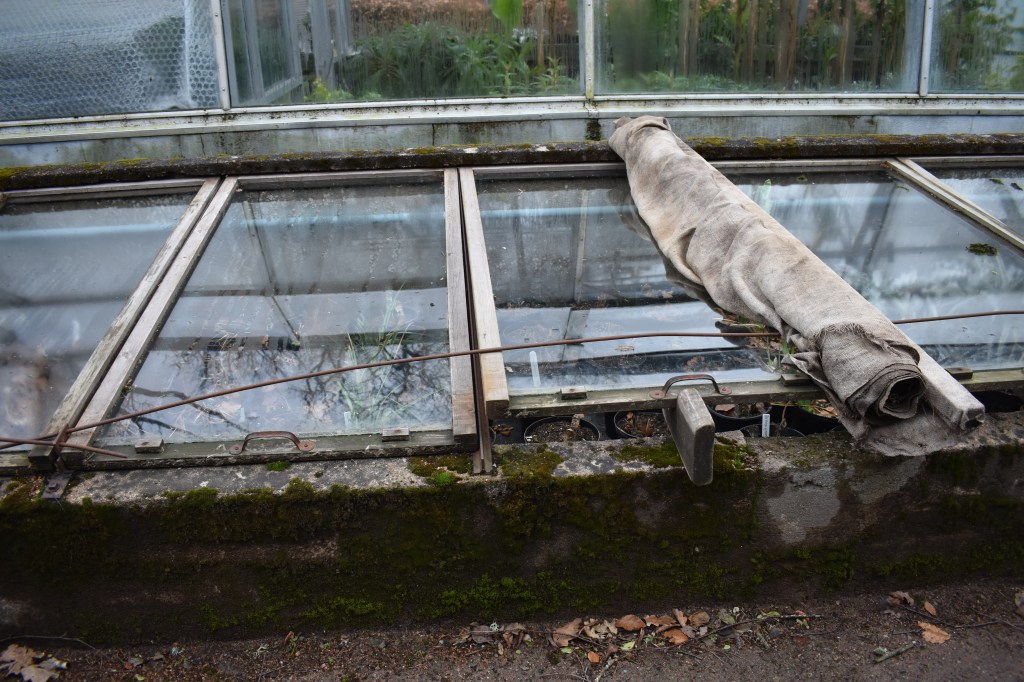
Funding has been acquired for mending the potting shed roof (which has been leaking for some years), and for replacing the frames in the yard. The frame walls are crumbling and the covers are dangerous being old sheet glass and very heavy to lift. New walls will be built, thick grade aluminium and polycarbonate covers will be relatively lightweight (both of which are recyclable) and will be much safer for the gardeners to manoeuvre. Such essential maintenance projects go largely unseen in the garden itself but are a necessary part regular maintenance and the strategy of long term budgeting.
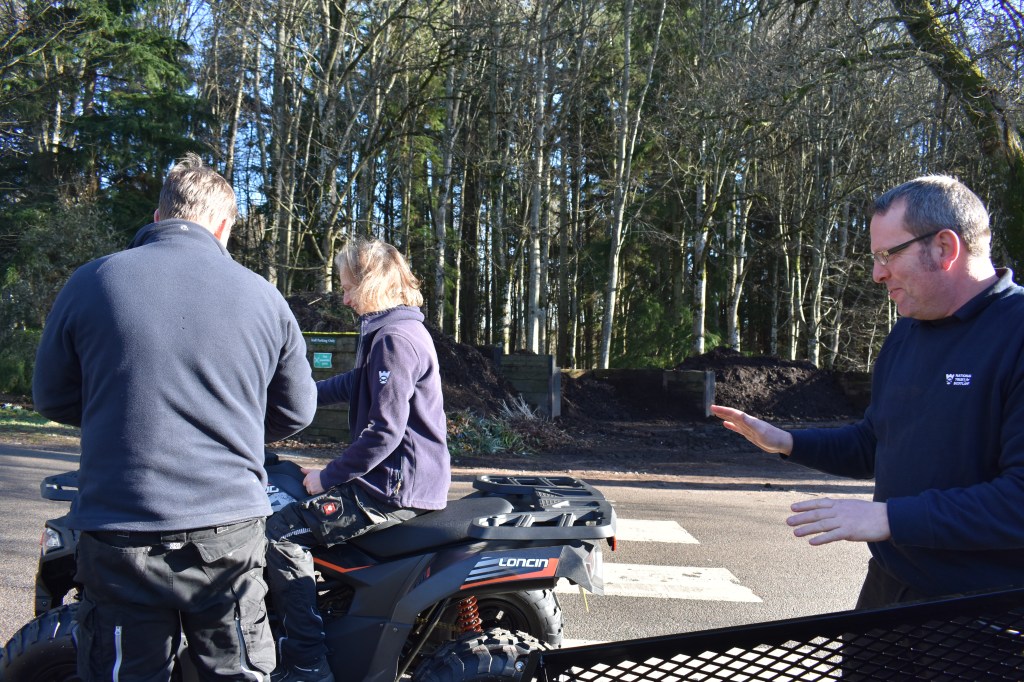
A quadbike and trailer has been purchased for moving pots, plants and compost between yard and the nursery.
Congratulations to Mike and Alison who recently got married!
*Animal Dispersion in Relation to Social Behaviour by V C Wynne-Edwards (Edinburgh 1962)
**Elderflora A Modern History of Ancient Trees by Jared Farmer (London 2022)
 Notes from Crathes
I have been catching up on your wonderful blog. You continue to write in such poetic ways on such interesting subjects. Just wait until you see the progress being made on the cold frames! The Viewpoint has also had some serious attention. The cotoneaster on the bank is finally out (or will be by Tuesday). What a job that was!
LikeLike
Thanks Kiran. I have been off on a jaunt and hope to be back soon to catch up with all the news. Spring is definitely in the air.
LikeLike