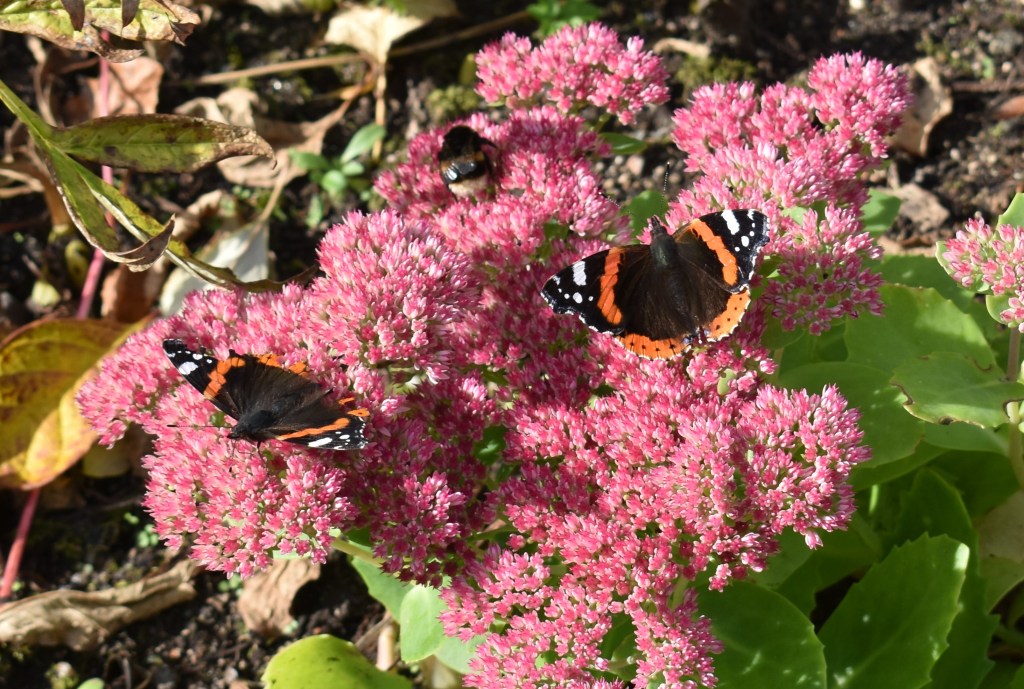
Red admirals on sedums in the Trough Garden, 12 October 2023.
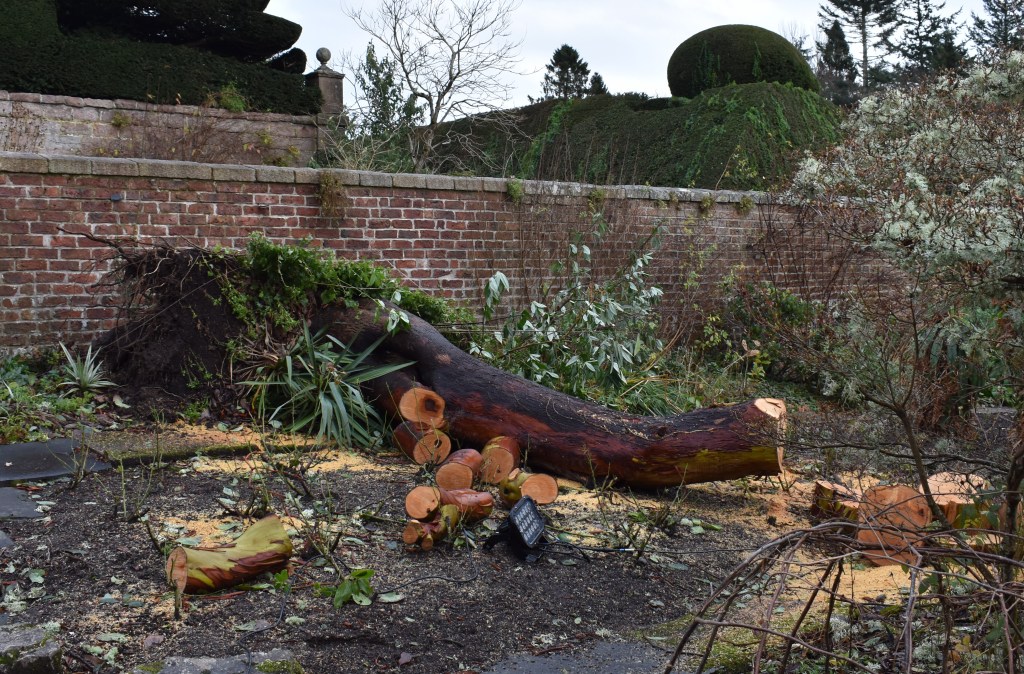
The last four years have not been easy in the garden. First there was Covid to cope with: skeleton staff and no volunteers; plans laid aside; and a wilderness of weeds. In 2021 Storm Arwen took down the champion arbutus tree and a large conifer in the garden and had a devastating effect on the wider estate resulting in diversions of gardeners’ time and energy. Then there was the garden entry building and the influx of rabbits. Always there was the Rose Garden development gathering momentum and beset with drainage problems. Underpining everything is the gathering momentum of the climate crisis.
Arbutus menziesii blown over in Storm Arwen, 6 December 2021.
With the more immediate problems in the past and Steve taking over from Andy as First Gardener it’s time to step back and reassess the way ahead.
Mike and Steve consider some issues with the water feature in the Rose Garden, 22 June 2023.
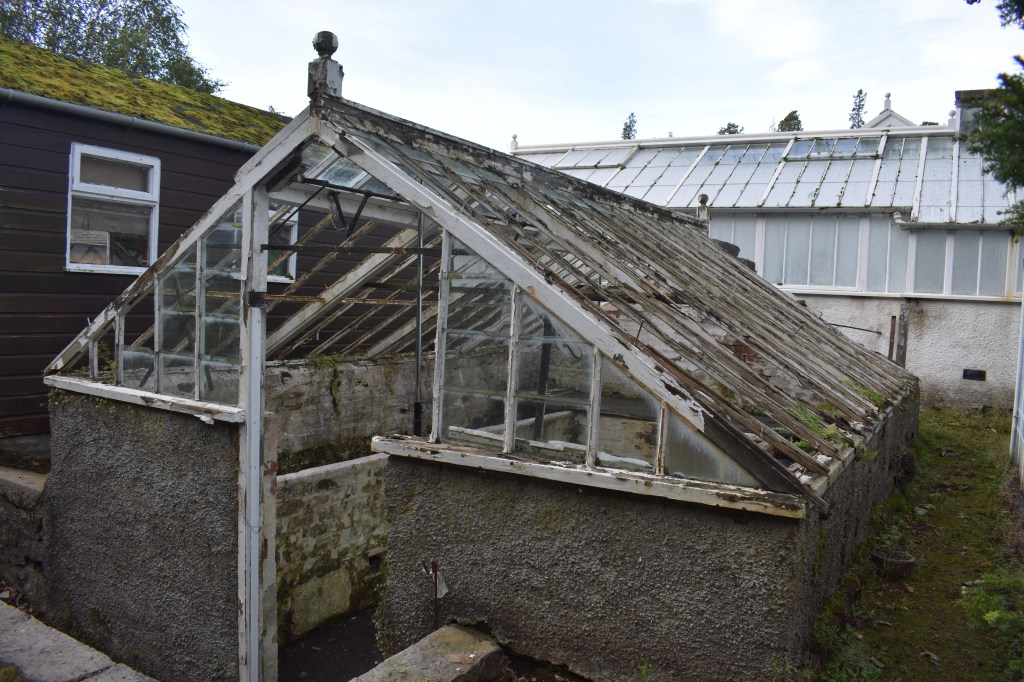
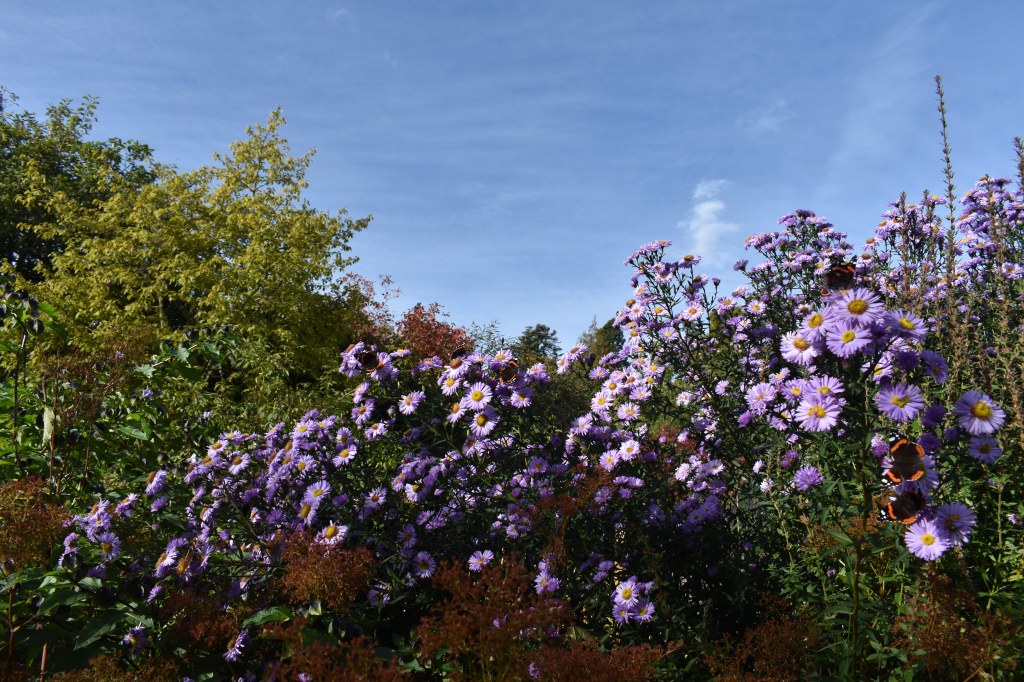
There are plenty of positives. The Rose Garden opened on a lovely summer’s day to great acclaim. The borehole project, now storing water for use in the bothy, glasshouses and lower garden, will take away much of the worry of predicted droughts. Emily, apprentice during the last two years and now appointed at Crathes as a full-time gardener, has been awarded ‘New Gardener of the Year’ by The Professional Gardeners Guild. She and James went down to Shrewsbury to collect the award at the Guild’s AGM and were treated to tours of two nearby gardens. This contact with quite different gardens is always beneficial for gardeners, often inspiring ideas on how adaptations might be made in their own patch. Laurie, head gardener at Drum (just along the road and also NTS), has just given a talk at Versailles about gardening in the heritage context, showcasing French and Scottish Gardens, in which Crathes will be featured. The pit house which has been in a sad state for many years is now recognised as a structure of historical interest. It was used for seed and seedling care until it became dangerous. Sandra (volunteer) has taken a 3D scan of the building and plans are ahead for restoration. The PLANTS project is now completed and gardeners will be able to access the database to check on plant species and cultivars and their locations. Many of the drainage issues in the garden have been successfully addressed. Bringing a smile to everyone – gardeners and visitors – are the large numbers of red admiral butterflies that have been floating through the garden for the last month or more.
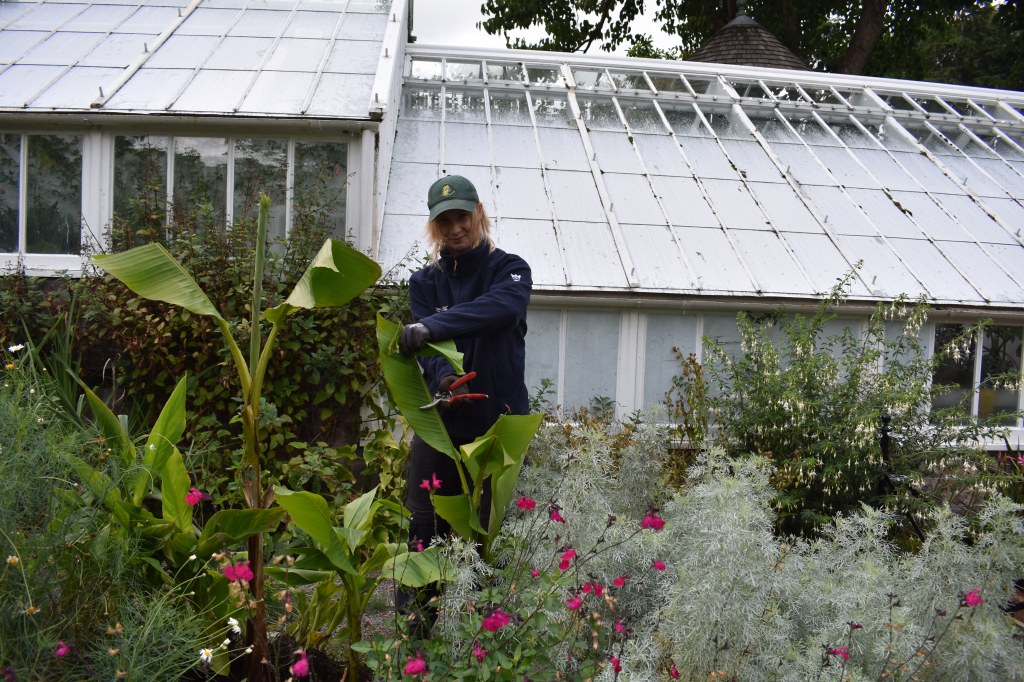
There are still some roses in bloom, 6 October 2023.Emily cuts back the bananas before lifting for the winter, 21 September 2023.
The pithouse in need of restoration, 6 October 2023.
There is even cause to celebrate the return to normality after the constant stress of hitting deadlines and dealing with problems. There is a more relaxed atmosphere in the garden as regular jobs resume with the lifting of tender plants and the cutting back in the herbaceous borders. A perennial sunflower has been taking over in parts of the garden and will need to be controlled. It always seems such a shame to cut back so many plants that are flowering, but if it is all left till later the winter jobs of pruning and compost spreading will be delayed – and no-one can delay the spring. There are still flowers to enjoy until the frosts make their mark and the red admirals will find plenty of nectar to fuel their activities. James and Steve have been looking at the Camel Garden and I wait to see some developments there.
Mike and Emily cut back the Double Herbaceous, 12 October 2023.
The National Trust for Scotland is one of the partners contributing to the UK State of Nature Report for 2023 published in late September by The National Biodiversity Network Trust (NBN), a small charity that collects records under the biological recording scheme. Sixty different UK conservation groups (including Royal Botanic Garden of Edinburgh, The Scottish Wildlife Trust, The James Hutton Institute and Scottish Environment LINK) are involved in this report. Since 1970 the loss of wildlife has been assessed at 19% with one in six species being at risk from extinction today. Birds are at particular risk. It’s impossible not to be downhearted.
Coincidentally, I was given The Book of Rewilding by Charlie Burrell and Isabella Tree. I read Isabella’s Book Wilding about the rewilding of the Knepp estate, in West Sussex, when it first came out in 2018 and since then have been an ardent follower of Knepp’s progress. Charlie Burrell inherited the Knepp Estate in 1987 when in his twenties and newly out of agricultural college. He set about farming with enthusiasm. It took him sixteen years and an overdraft of 1.5 million pounds to realise there was no future in conventional farming. Rewilding was a step in the dark for Charlie and Isabella, but now, 21 years later, the estate is thriving with nightingales, turtle doves and other rare species colonising naturally, whilst beavers and storks have been successfully introduced. Sales of organic produce and eco-tourism contribute to the finances of the estate. Knepp is now a flagship enterprise for research and development where people find employment and workshops are offered. The rewilding venture continues to turn up new knowledge and surprises.
Dead wood is an important factor in rewilding, Mar Lodge Estate, 28 June 2021.
Once rather a dirty word, rewilding is now an important part of the planet recovery toolbox. Just as you and I take stock of our gardens at the years end, and James takes a new look at the Crathes future, so the world is at a point for taking stock. There is a growing understanding that biodiversity is necessary for a healthy planet and vital in the fight against global warming. After a year of extreme temperatures and global disasters we need desperately to change direction. All is not gloom and doom; on Deeside and beyond there is much to celebrate. It’s important to celebrate, to create a positive narrative and thus move forward. I hear of the new rewilding visitor centre that has recently opened at Dundreggan, to the north of Loch Ness. The 4000 hectare Dundreggan estate was purchased by the Trees for Life charity in 2008. Millions of native trees have been planted across the highlands by Trees for Life, a charity started in Moray in the late 1980s. I look forward to YouTube wildlife programmes presented by Chris Packham and Megan McCubbin from the Dundreggan Rewilding Centre (23-26 October). Outside Dundreggan much of Trees of Life activity takes place in Glen Affric where one of its partners is the National Trust for Scotland. NTS bought Glen Affric in 1993 and have since being trying to repopulate the area with native plants and trees, helping Trees for Life to establish a forest network from Glen Affric to the west coast. To the west of West Affric is the Kintail estate – NTS since 1944, with the Falls of Glomach (also NTS) to the north; providing connections that are needed for that forest network.
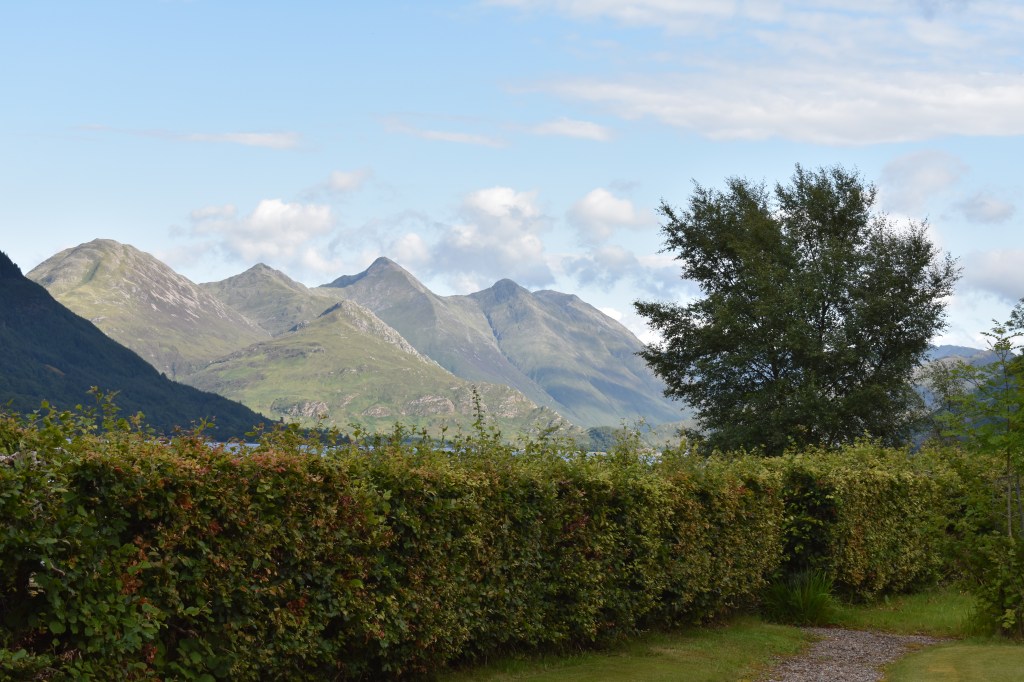
The Five Sisiters of Kintail (from Loch Duich) belong to the NTS, 28 July 2018.
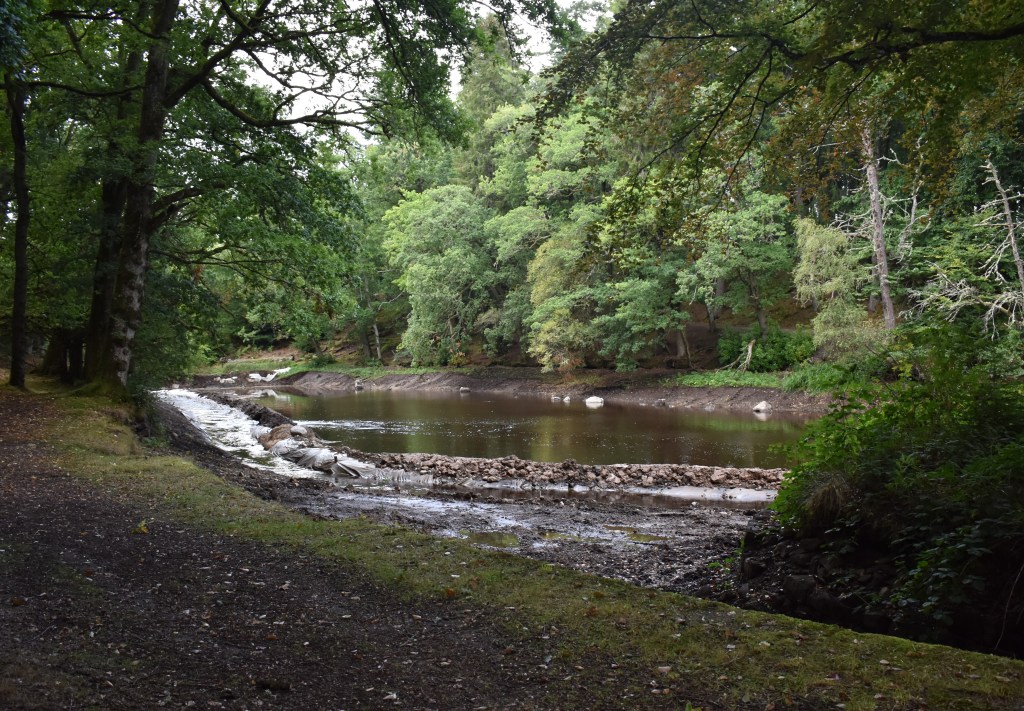
Nearer home I hear that the Garlogie dam has been removed from the Leuchar Burn which flows into the Culter Burn eventually entering the Dee at Peterculter. This dam was built in 1923 to provide electricity for Dunecht House. It has been redundant since the electricity became available from the grid, but has remained an obstruction to salmon seeking to move upstream to spawn. Trees will be planted and the creation of a wetland area will benefit biodiversity.
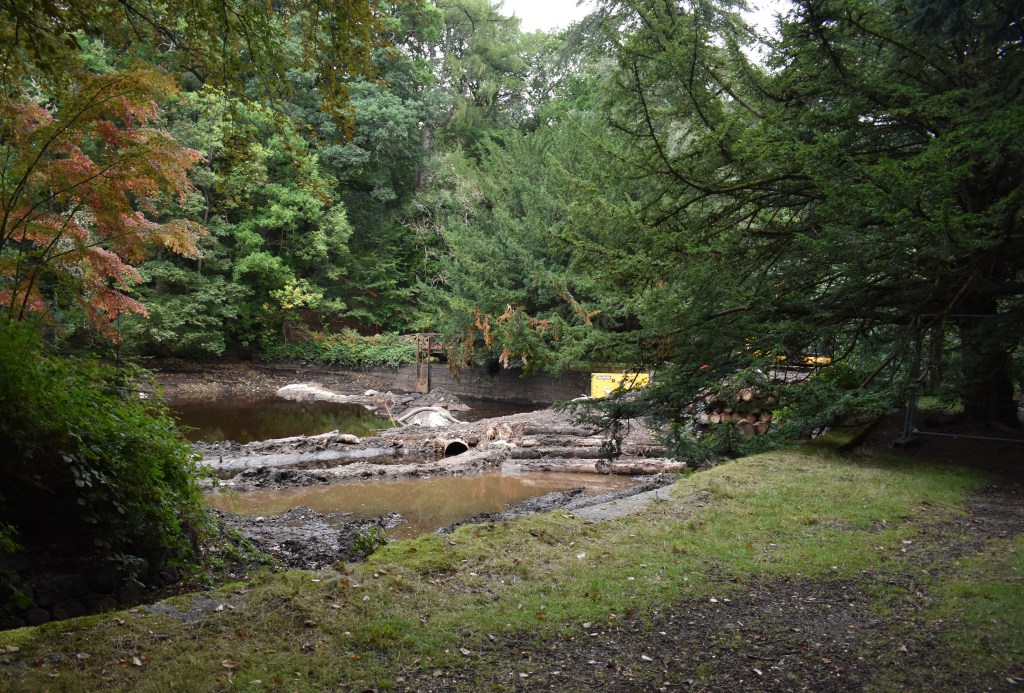
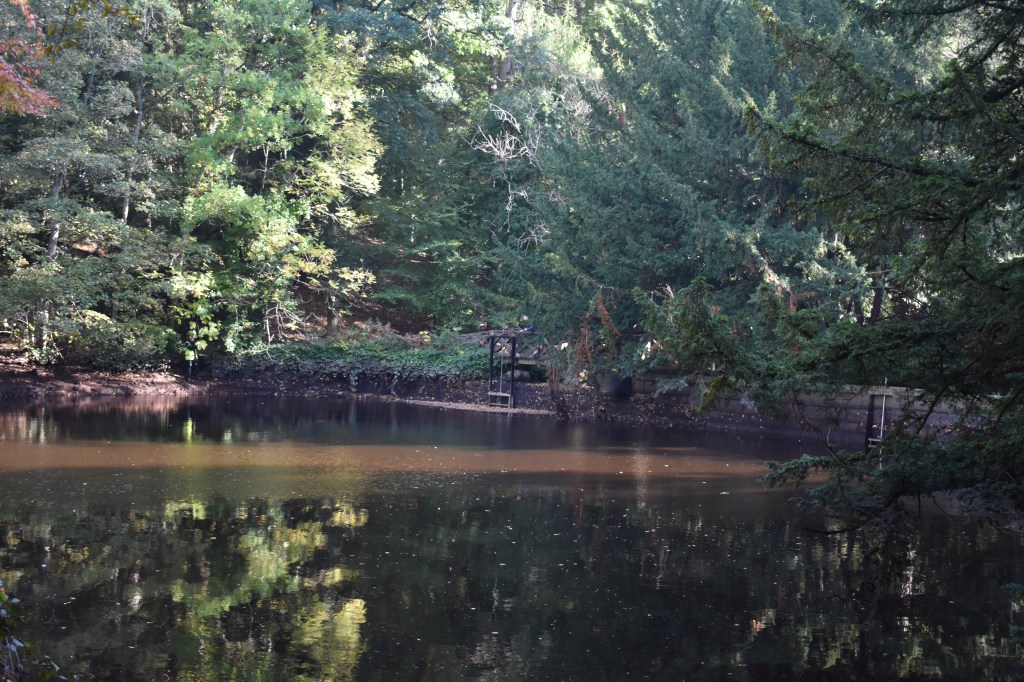
I have already written about other positive projects around Torphins and in the Mar Lodge estate in the Cairngorms (The cycles of life, 16 November 2022). Such projects come together in various partnership, such as Cairngorm Connect, and, on a smaller scale Northwoods, whose partners are landowners with less than 1000 acres who are committed to providing for nature renewal. These partnerships both big and small are hugely important in the bigger picture because biodiversity hotspots need corridors of suitable habitat so that connections can be made with other hotspots and genetic diversity can be maintained. The Crathes CoyBurn flows into the Dee and when the Crathes Millpond restoration is complete the benefit to salmon and other wildlife will be evident. The project has been complicated. A channel had to be constructed to guide the burn through the Millpond area without picking up a lot of sediment and a ramp had to be built up using logs, to allow diggers to access the pond safely. By mid-October the heavy machinery and the ramp was gone, but the ‘keep out’ fences were still in place so I couldn’t see how the salmon were able to negotiate the weir. The two new sluices could be seen (one for the burn and one for the old mill lade). I could see one of the rangers – Roddy I think – leaning over the foot bridge to adjust the sluice. It looked to be hard work, moving the lever from side to side to turn the sluice screw and he later confirmed my suspicions. Bridges in the Millpond area help with connectivity enabling mammals to move safely (by underpass) across the North Deeside Road and onto the Deeside Way – once the Deeside Railway, but now a long-distance footpath. I wonder what animals use this route; maybe pine marten and red squirrels? To the north there are connections from Crathes to the Hill of Fare, but the busy road from Raemoir to Aberdeen is always a hazard.
A channel has been constructed to keep the burn separate from the pond, 6 October 2023.
A ramp is built up with logs so that heavy machinery can access the pond, 6 October 2023.Two sluices can just be seen with Roddy controlling the main sluice, 6 October 2023.Underpass below the North Deeside road; a few cars park there but are not hazardous to wildlife, 6 October 2023.
There is much to celebrate. Let’s not be too downhearted at the daily news. Enjoy the butterflies. Cheers!
The red admirals love the michaelmas daisies, 6 October 2023.
Updates:
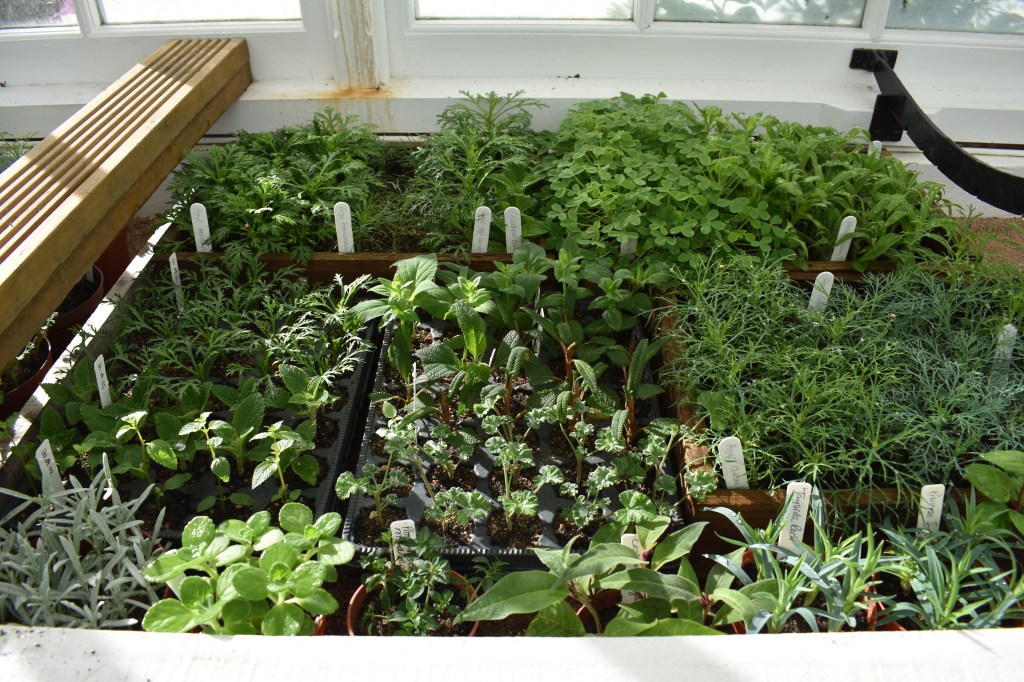
Joanna’s cuttings are thriving.
The nursery area is being tidied up for future use.
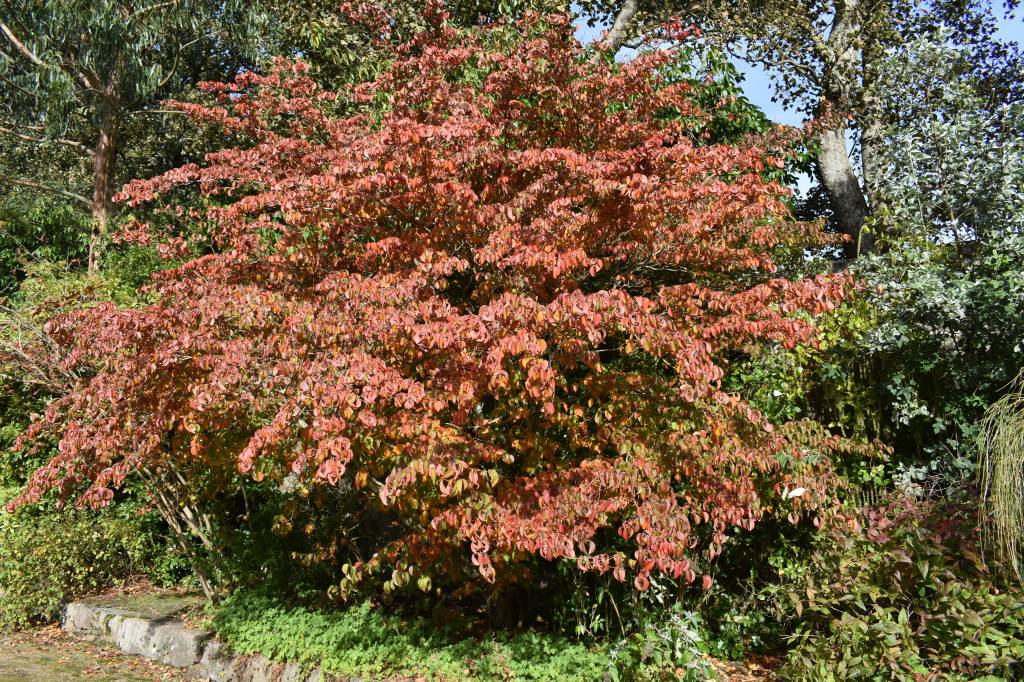
Changing colours tell us that autumn is here.
As I write Storm Babet is brewing.
The cuttings taken earlier are doing well, 6 October 2023.Cornus kousa chinensis takes on its autumn colours, 6 October 2023.





 Notes from Crathes
Beautiful! And so informative. An enjoyable read, thank you Sue.
Like
Thanks Sandra. Hope you are safe in this wild weather.
LikeLike