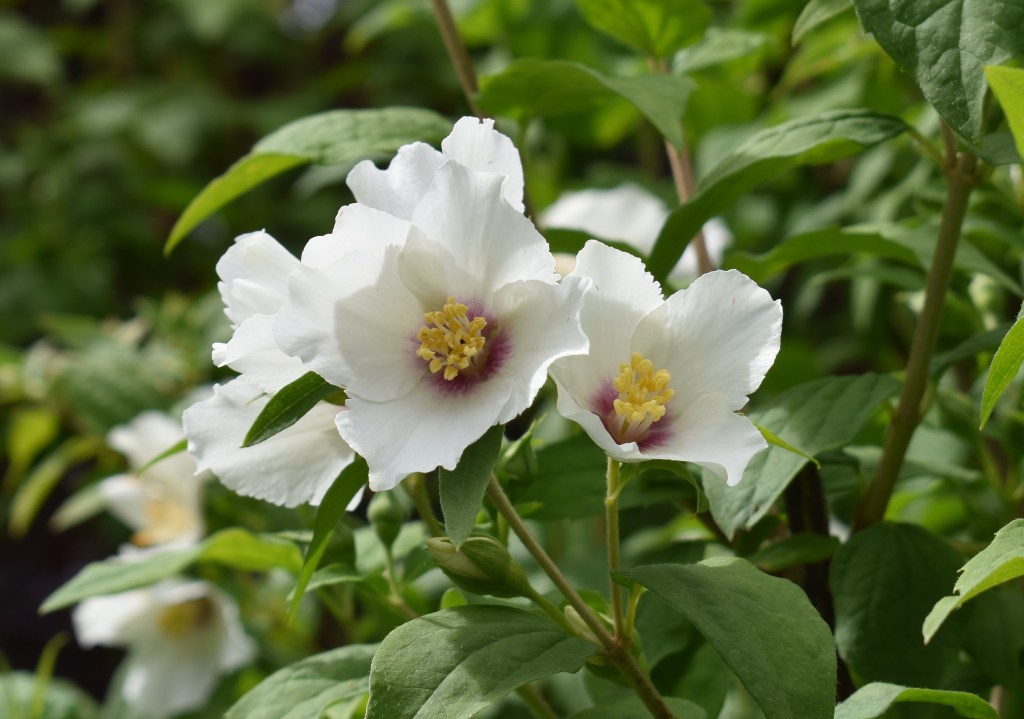
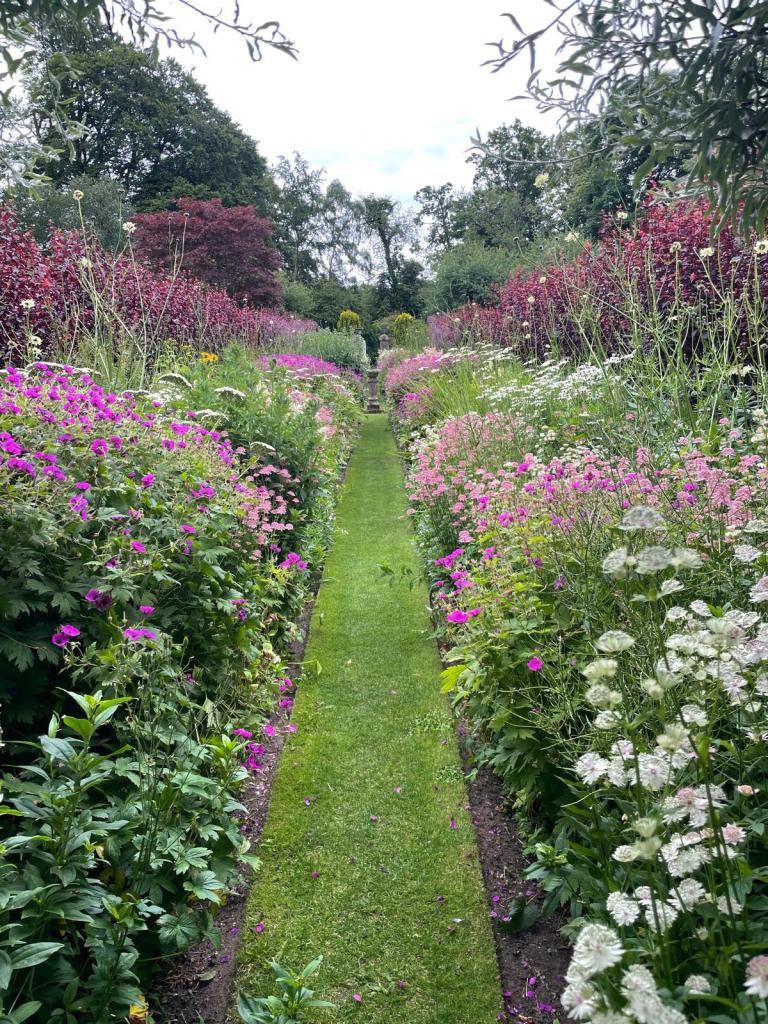
Early July and it’s summer – honestly, it really is! Time to relax and enjoy the moment. Open the gate to the walled garden and drink in the scene: the White Border at its peak, an abundance of flowers, a cocktail of heavenly scents, all set off by a soft green grassy path. Sorry about the weather.
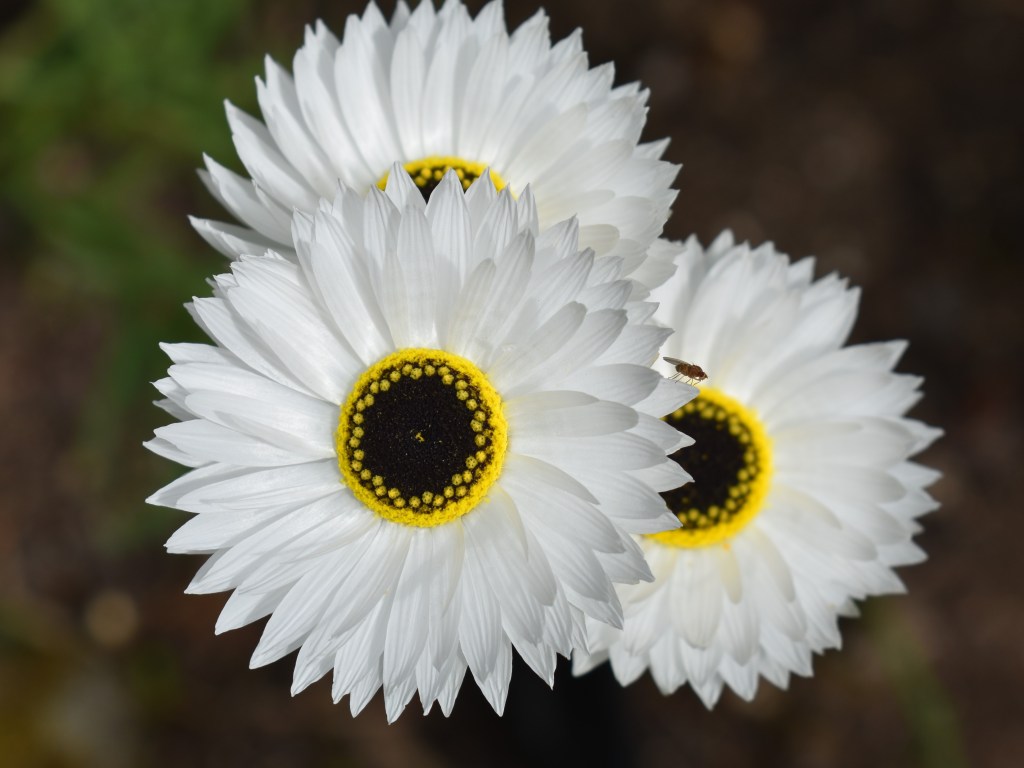
I walk down the grassy path, checking old favourites, noticing new flowers; white comes in many shades.
Nearby I can hear the buzz of bees – lots of them – attracted by the Amur cork tree, Phellodendron amurense, such a satisfying sound. It’s one of the biggest trees in the walled garden and is covered in greenish flowers that smell of honey.
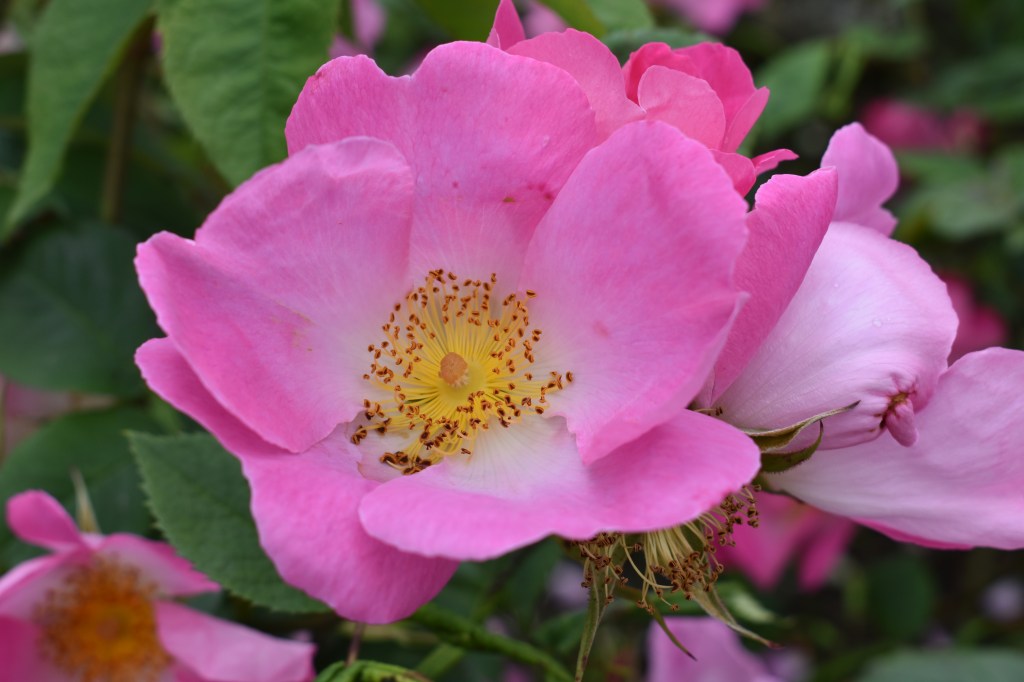
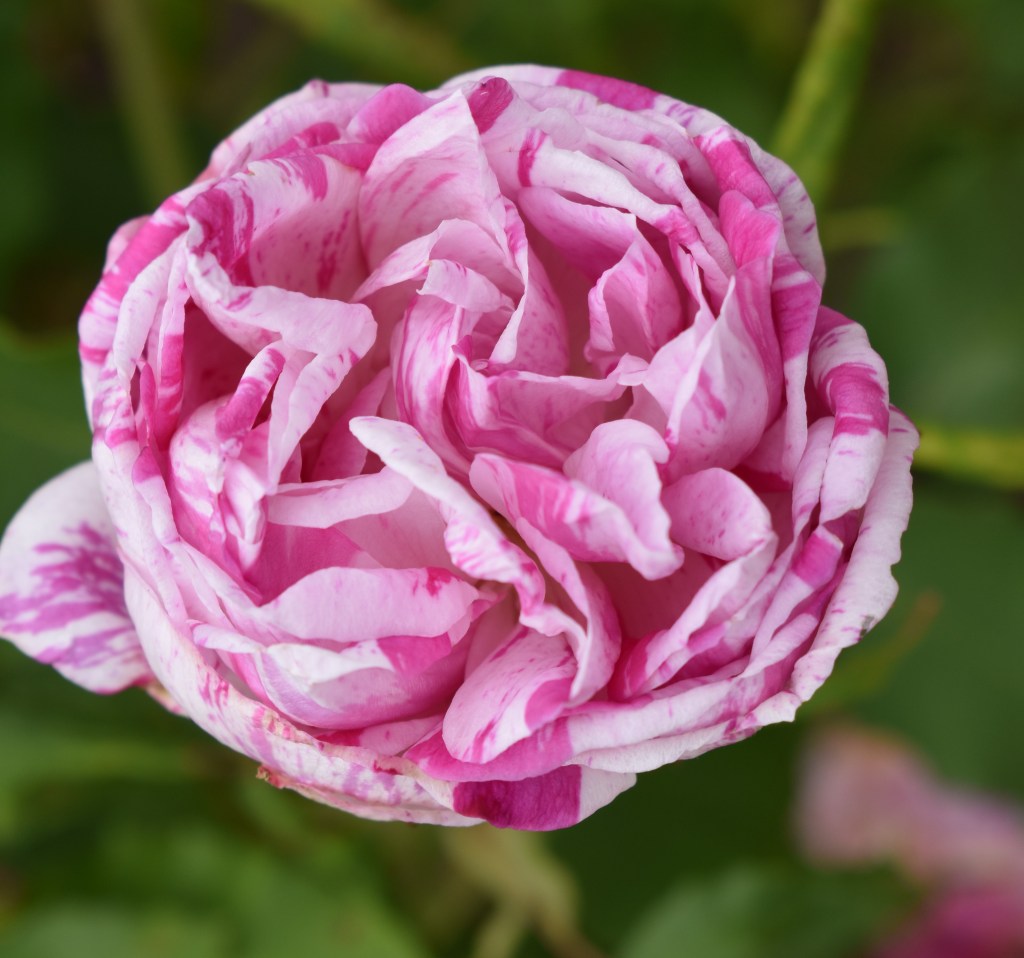
There may be an official Rose Garden, but there are roses all over the garden. I like the species and old roses best, but they tend to have a fleeting presence. The modern roses were chosen for the new central design in the Rose Garden because they flower throughout the summer.
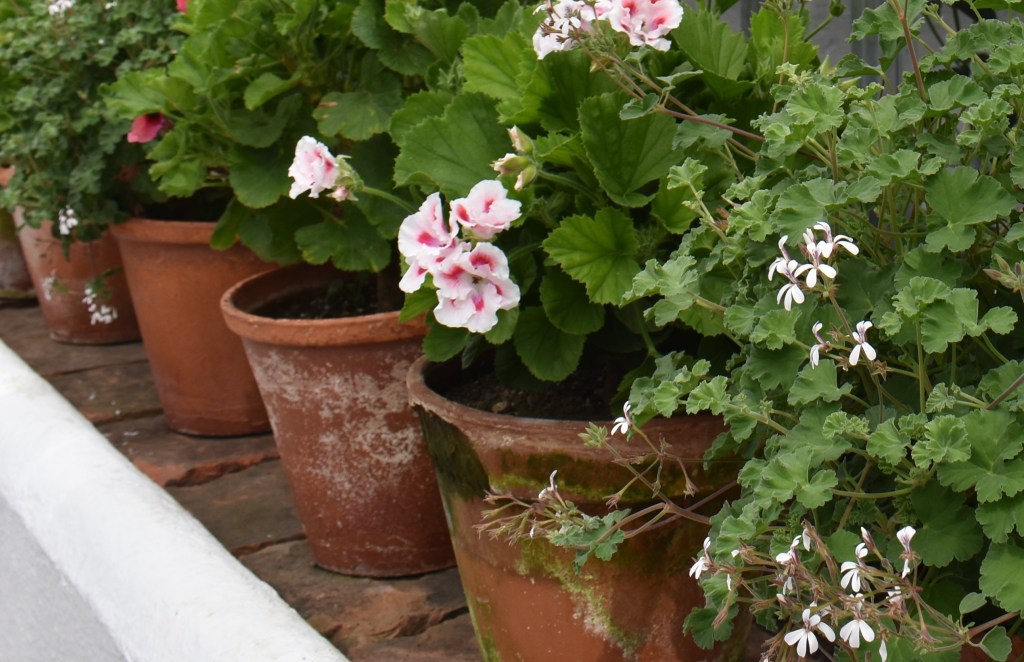
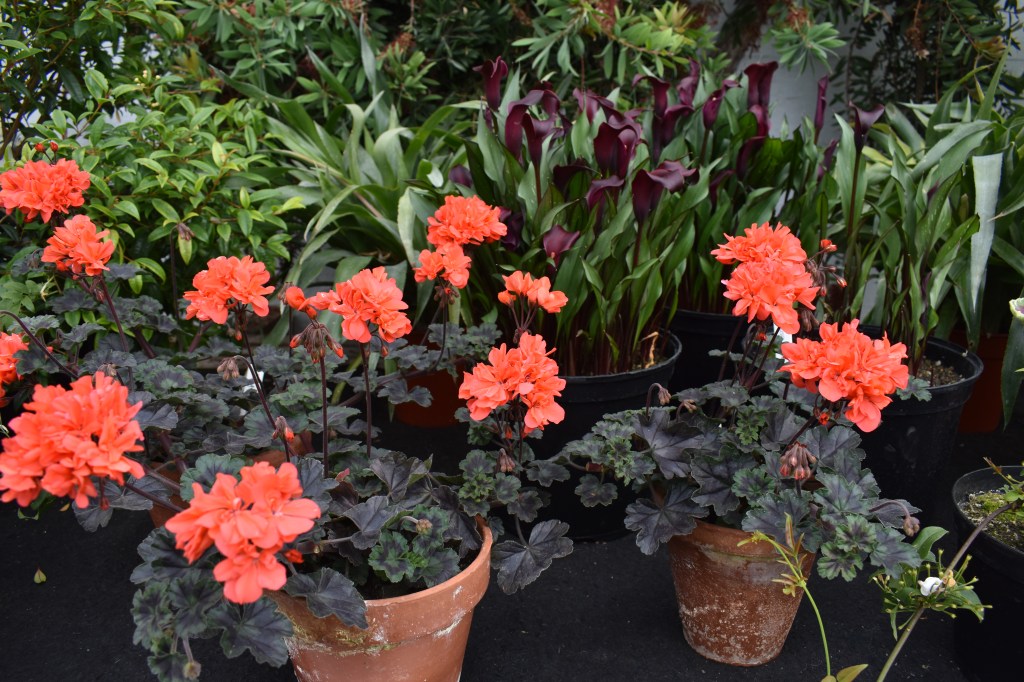
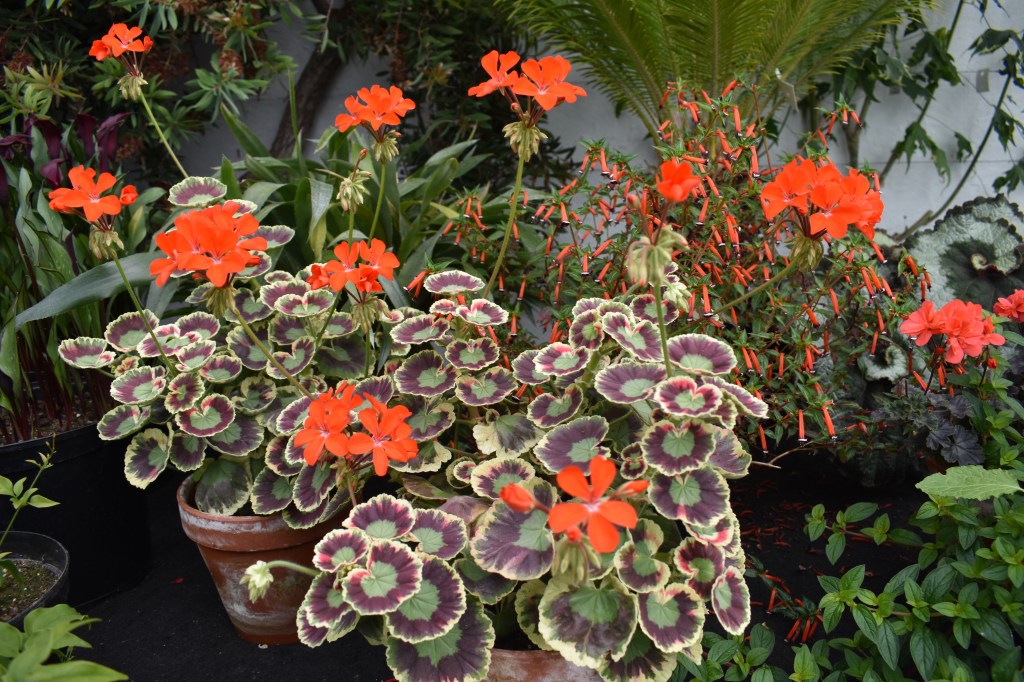
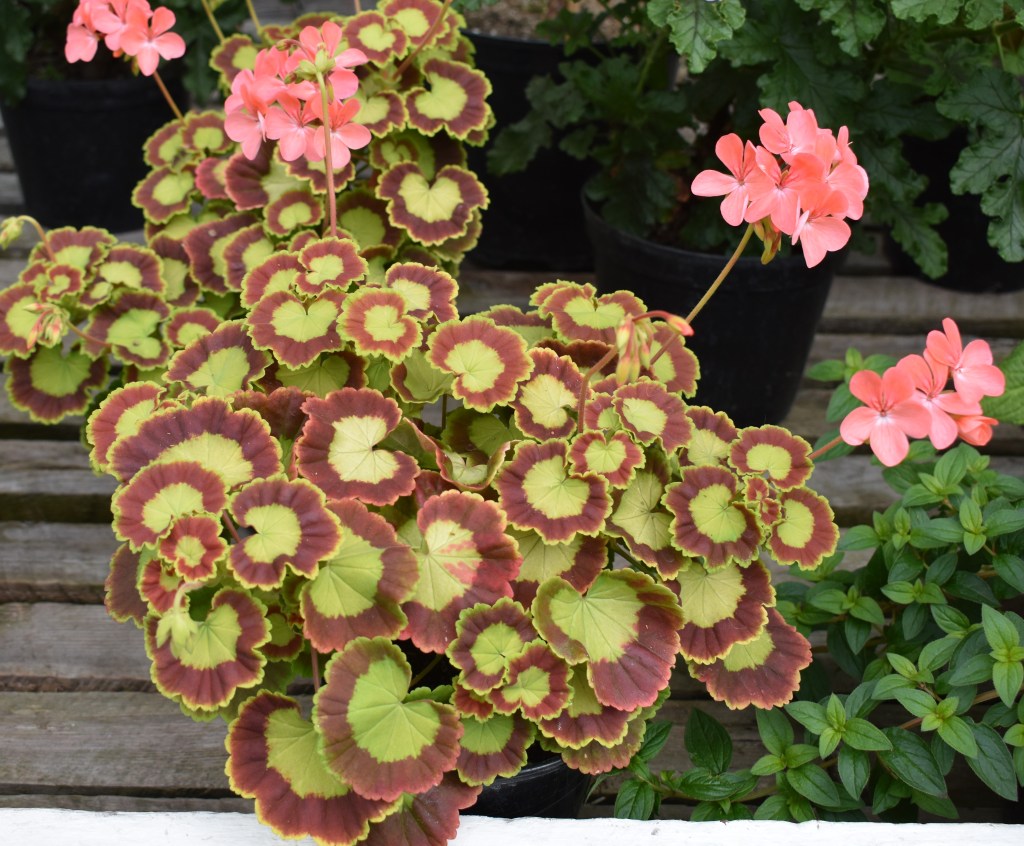
In the glasshouse Joanna is getting back to normality. The galvanised staging looks rather brash and could be painted, but it wouldn’t last so well. Tiles removed during the Rose Garden renovation help to raise and soften the effect of the terracotta pelargoniums pots against the staging. Lady Burnett reported that these tiles came from the doocot when she had it moved from near the castle to the walled garden.
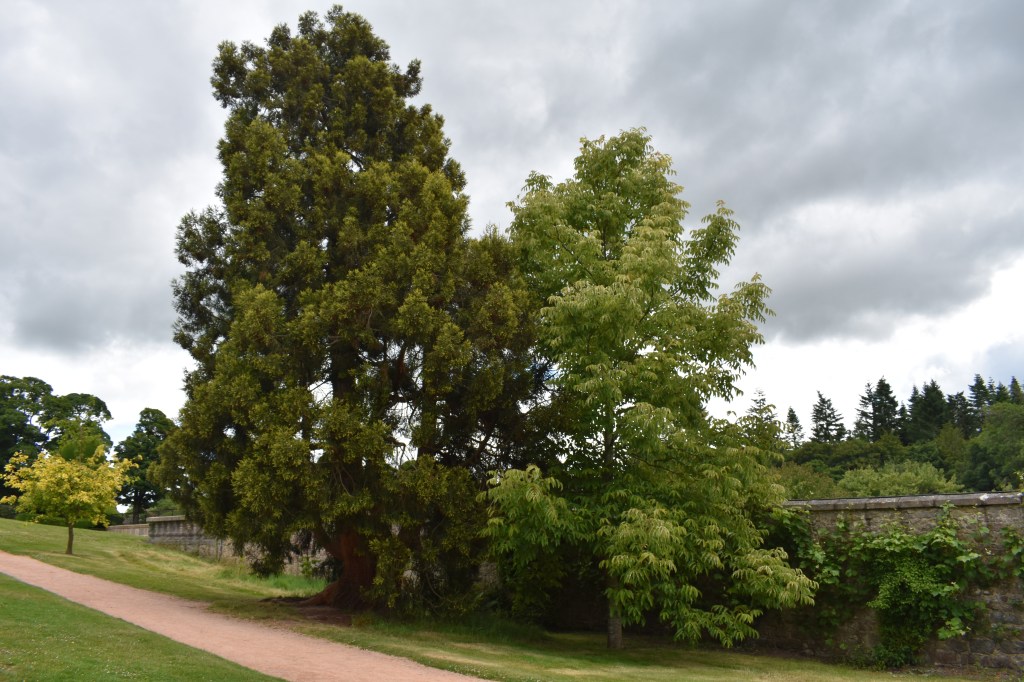
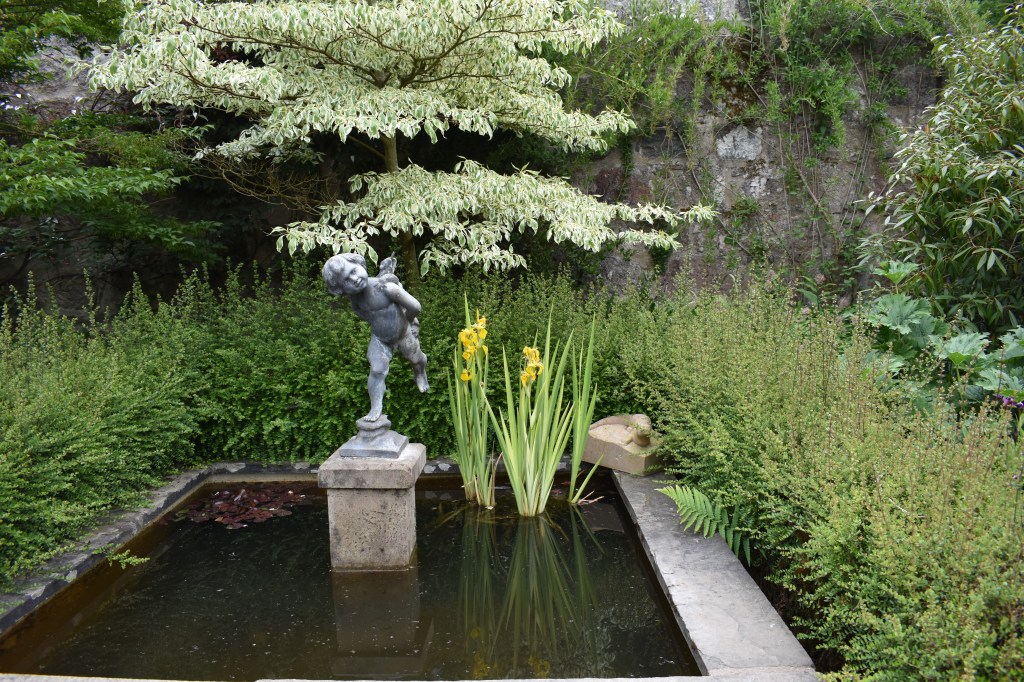
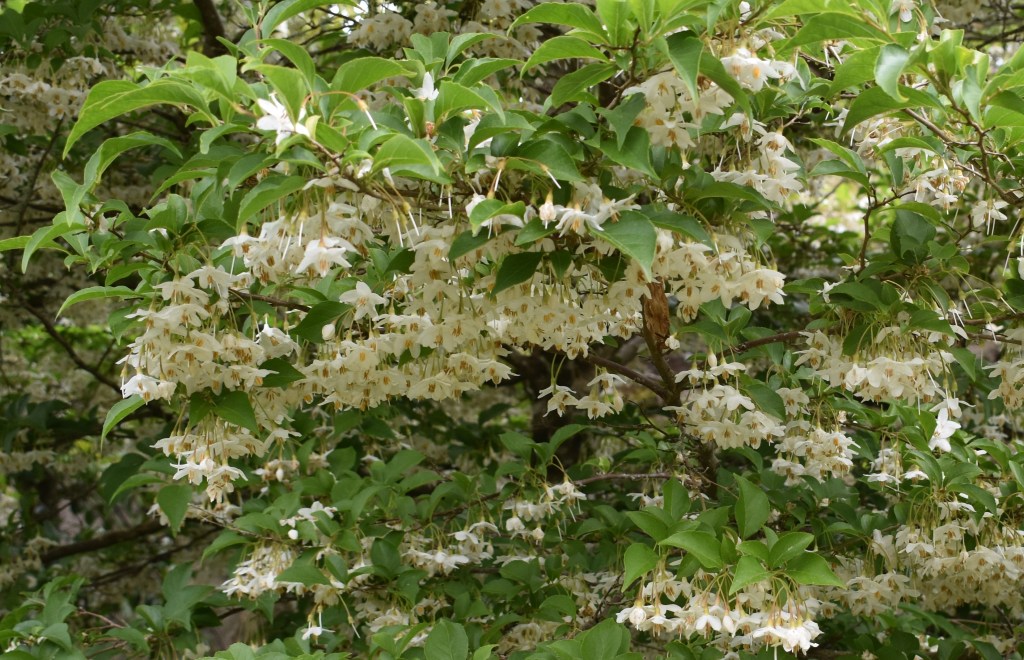
The cold frame still has a few plants available for filling in gaps, but most are just growing on for next year. The arbutus seeds that did so well have either died or outgrown their pots. They need planted out, but it is such a big decision – planting a tree. So often trees have been planted in the wrong place. The unusual Tapiscia sinensis near the garden gate has grown well and is a county champion, but now competing for space with the Athrotaxis laxifolia which is over a hundred years old. James is keen to plant another wedding cake tree, Cornus contraversa ‘Variegata’ – the last one died in 2020 probably due to the defective drainage around the doocot fountain. The drainage is now fixed, but the snowbell tree, Styrax japonicus, beside the fountain is now doing well and replacing the cornus into its previous place might cause another problem. The snowbell tree could easily be confused with the snowdrop tree, Halesia monticola, which flowers earlier in the year in the Trough Garden
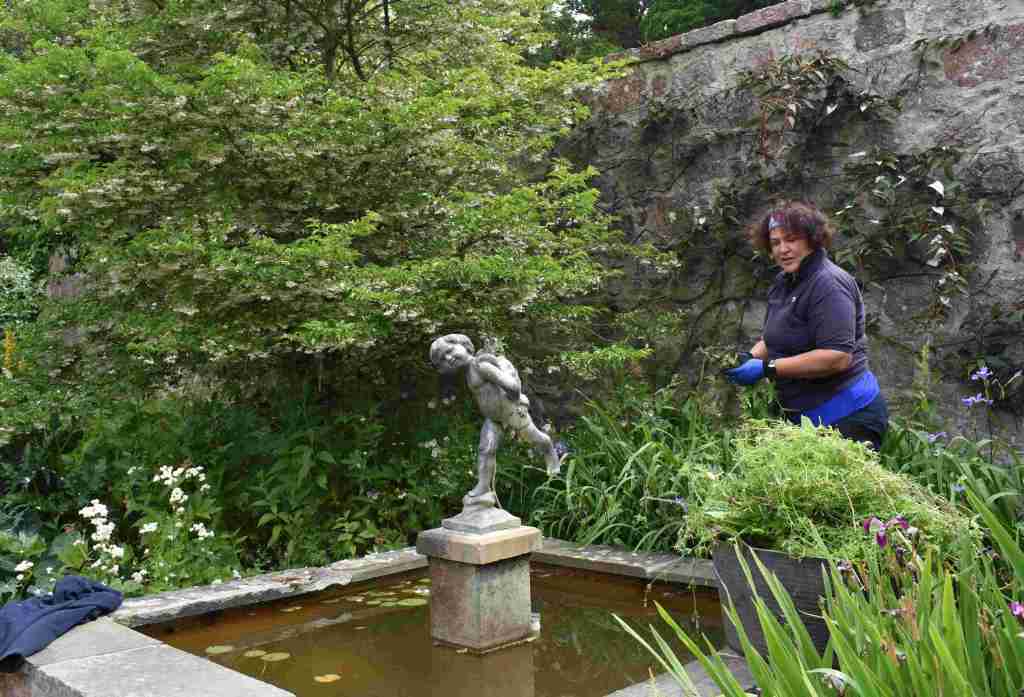
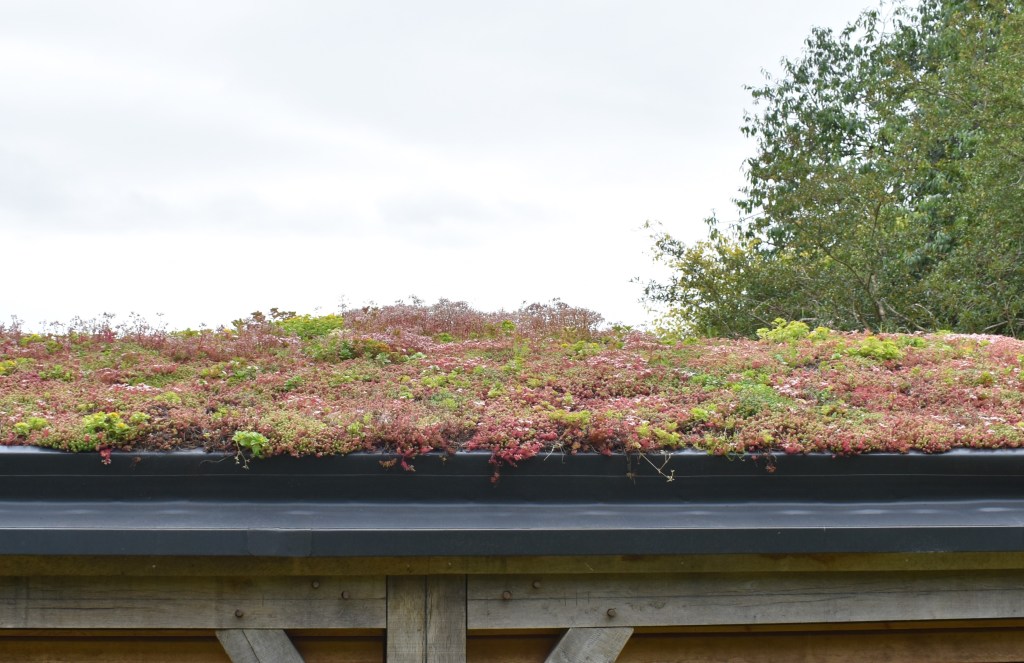
Whilst I am enjoying all the summer flowers the team continues with the hard work: box hedge and grass cutting, fund raising, potting on, and the never-ending weeding. Sticky willies, sow thistles and enchanters nightshade are the villains this month with the odd monster buttercup. In terms of abundance James considers that the weed of the year is the annual willow herb, although it is fairly easily removed and not in the villain class. A quick google of sticky willie, which appears to have no charms, informs me that it can be used to make liquid feed, although the thought of all those seeds will not tempt me to try that. Sycamores have been trying to colonise the green roof, but James has been on the case.
But forget weeding for a while. Summer is a time to enjoy a range of gardens. Some of the team have been doing just that – enjoying gardens where they are not responsible for the weeds and other outcomes. Pitmuies near Arbroath is a lovely garden, created largely by Marguerite Ogilvie, from Castlewellan in County Down, and now being cared for and developed by her daughter-in-law, Jeanette. Last time I visited this garden it was pouring rain; this time it is dry, if cold, and a sheer delight. The meadows that have more recently become a feature are just amazing. Not easy to develop but so worthwhile. We learn that the orchids have only recently appeared. The mown pathways through the meadows make it accessible. No fertilizer is ever applied. Later in the summer the fields will be cut for hay.
After an excellent lunch at Ashbrook Nursery we spend a little money buying plants – a time limit making it a somewhat hysterical exercise (according to Kiran’s husband, Jonathan).
Then on to Hospitalfield, in Arbroath. Originally built in the thirteenth century and run by monks to care for the pilgrims visiting Arbroath Abbey, it has survived in many forms. After the Reformation its religious purpose was lost and it became a private house remaining in the same family for over three hundred years. In 1843 Elizabeth Fraser, heir to Hospitalfield, married the artist Patrick Allen – the couple becoming Mr and Mrs Patrick Allan-Fraser. Under their ownership Hospitalfield became welcoming to the arts; paintings, sculptures and exotic plants were collected, and artists visited. Elizabeth died in 1873. When Patrick died in 1890 he left the house to a Trust and in 1902 Hospitalfield became a residential art college. Later the house was known for its summer schools: Joan Eardley, James Cowie, Robert Colquhoun, Will MacLean, Peter Blake and many more benefited from the opportunity to practice and develop their art (James Cowie was also director for a while). 2012 saw a new director, Lucy Byatt, and a new direction with community involvement, restored buildings, and a renewed garden designed by Nigel Dunnett. The garden is not large or grand, but it has a lovely atmosphere. The tree ferns in the restored fernery are mesmerising in their symmetry.
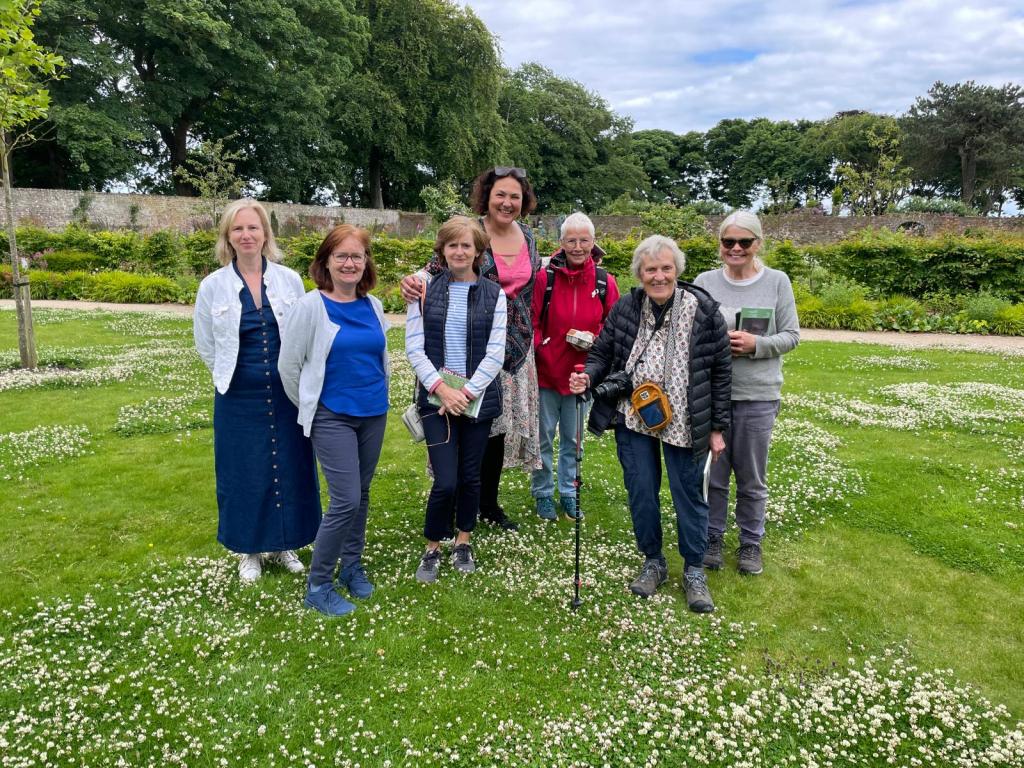
On a more mundane level, the café provides amazing cakes. Thanks Kiran for organising a great day out.
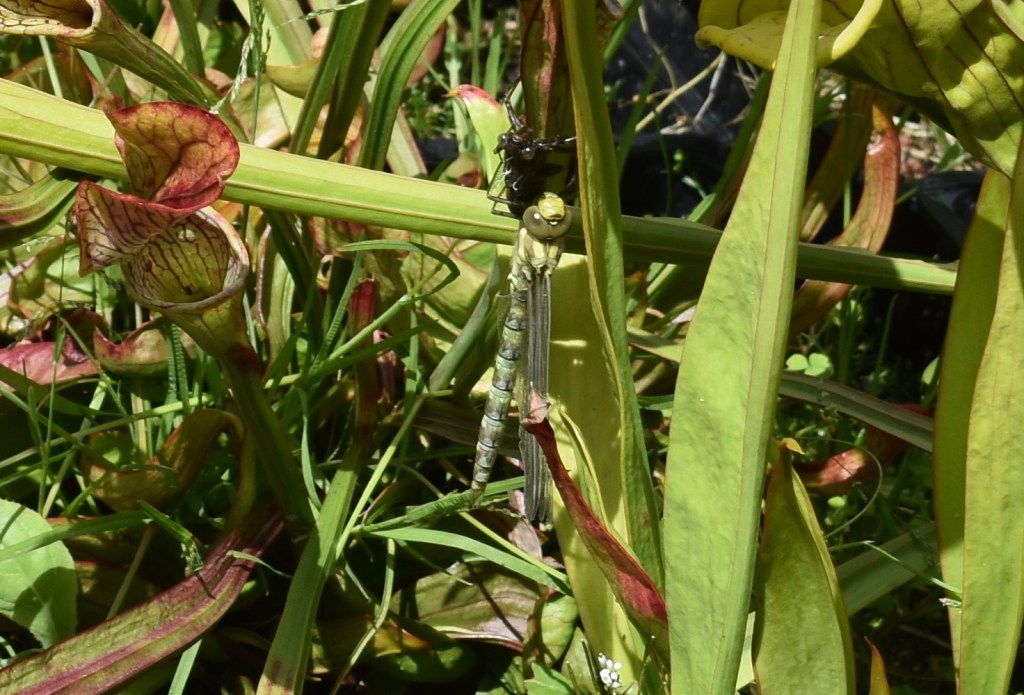
James has been thinking about the biodiversity of the walled garden, and how a much-managed space can also be welcome to a diverse range of organisms. We all enjoy watching the dragonflies that are now regularly visiting the dipping pool. We watched a hawker darting over the pond, that appeared to be laying eggs. Another one was just emerging from its final larval stage. An interested visitor thought the emerging dragonfly might be a southern hawker – in which case it will be a recent addition to the North-East fauna. There are six records on the NESBRec site, one in Banchory. The small red damsel fly was also present.
The delay in publishing July’s post has been due to problems with technology and I no longer have space for photos on this site. Because of this and other practicalities I think this is probably time to say goodbye and make this my last notes from Crathes. I will still be going to Crathes and maybe I’ll post some updates on facebook. It’s been an honour being able to do this blog; thank you to James and all the gardeners and volunteers who made everything so enjoyable, and thank you to those of you who offered encouraging comments.
I’d like to end by quoting a visitor who came to the garden last week and was clearly enjoying herself: This is my favourite garden in the whole universe.
Updates:
There is sudden consternation regarding the floor of glasshouse six and the potting shed – above the cellar. Cracks in the floor indicate weakening and the building had to be shut. Careful shoring up with supports in the cellar has now enabled Joanna to continue working but a clear resolution needs to be determined. Just when Joanna was enjoying claiming back the other glasshouses after a winter of maintenance.
The Crathes tree ferns appear to have died after hard frosts two winters ago, but one now seems to be sprouting. However, we are inclined to think that a native fern has chosen to grow in the rotting stump; time will tell. James has not been in a hurry to remove the stumps – ‘just in case’.
The beavers released last year in the upper Spey catchment area in the Cairngorms National Park are now breeding. Two kits have been born to different parents.
 Notes from Crathes
I have thoroughly enjoyed your garden notes. They always take me back to my magical walk in the Crathes garden. I truly appreciate all your efforts to make this world a more beautiful and thriving place. Please keep me on the mailing list for further postings.
Sincerely,
Sharon Jacobs
North Carolina, USA
LikeLike
Thank you Sharon. I’m so pleased you have visited and have such good memories. Best wishes.
LikeLike